Now Reading: CircadiaOS: Affordable Sleep Optimization Without the Pod
- 01
CircadiaOS: Affordable Sleep Optimization Without the Pod
CircadiaOS: Affordable Sleep Optimization Without the Pod
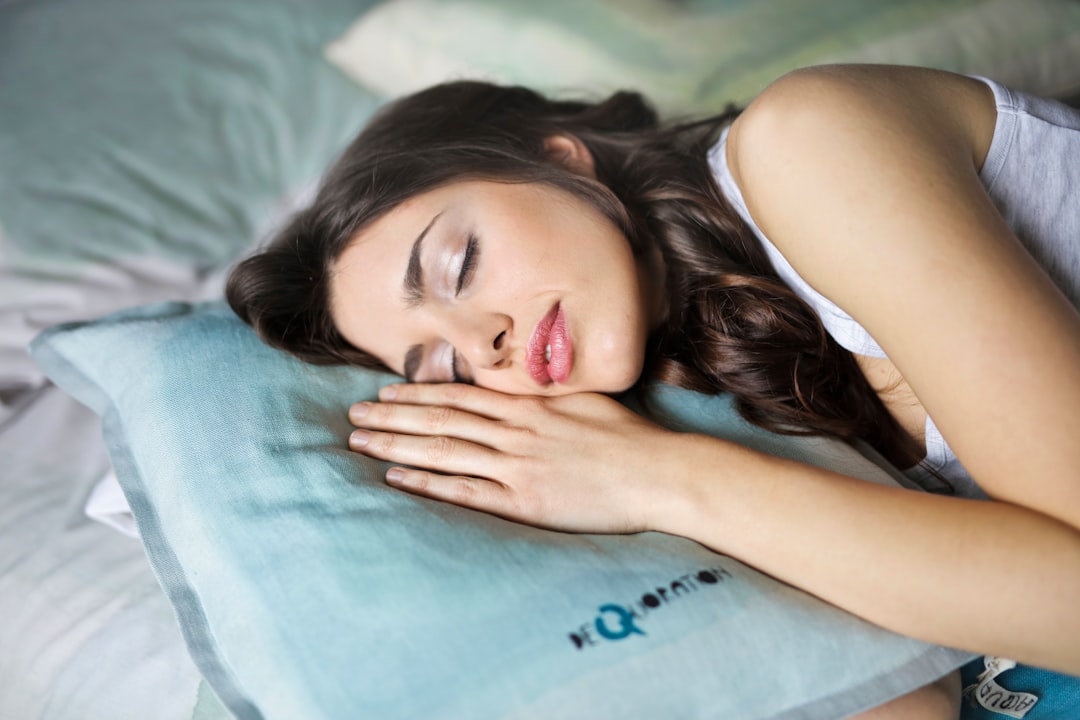
CircadiaOS is generating buzz as a software-first sleep optimization tool that promises results comparable to expensive mattress pods — without the $3,000 price tag. Here's what it does, why it matters, and whether it can deliver on its ambitious promise.
A New Contender in Sleep Tech Wants to Replace Your $3,000 Mattress Pod
The sleep technology market has exploded into a multi-billion-dollar industry, with premium hardware solutions like temperature-regulating mattress pods commanding prices north of $2,000 to $4,000. Now, a software-first approach called CircadiaOS is generating significant discussion in tech communities by promising meaningful sleep optimization — minus the luxury price tag and bulky hardware.
The tool has surfaced across developer forums and health-tech circles, sparking an energetic debate about whether intelligent software can deliver results comparable to expensive physical devices. And based on early reactions, plenty of people are ready to ditch the premium mattress accessories.
What Exactly Is CircadiaOS?
CircadiaOS positions itself as an operating-system-level approach to sleep improvement. Rather than relying on a specialized mattress, cooling pad, or wearable ring costing hundreds or thousands of dollars, it leverages software intelligence to analyze and optimize the environmental and behavioral factors that govern sleep quality.
Think of it as a personalized sleep coach that integrates with the devices you already own — your smartphone, smart home sensors, ambient lighting systems, and even your thermostat. The core idea is straightforward: your circadian rhythm responds to signals like light exposure, temperature, meal timing, and activity patterns. CircadiaOS aims to orchestrate all of those signals automatically.
Key features generating the most discussion include:
- Adaptive light scheduling: Automated adjustments to screen warmth and smart lighting based on your chronotype and target wake time.
- Temperature coordination: Integration with smart thermostats to create gradual cooling curves that align with your body’s natural sleep onset.
- Behavioral nudges: Timed recommendations for caffeine cutoffs, meal windows, and wind-down routines based on your personal data.
- Sleep architecture tracking: Analysis of sleep stages using existing phone or wearable sensors, with morning reports and trend analysis.
If you’ve been exploring ways to improve rest without breaking the bank, check out our roundup of Chunk Sidecars: Validating AI-Generated Code Before CI for more options in this space.
Why This Matters: The Democratization of Sleep Science
The sleep optimization market has a serious accessibility problem. Products like the Eight Sleep Pod deliver genuinely impressive results — peer-reviewed research supports the impact of temperature regulation on sleep quality — but they remain out of reach for most consumers. A $3,000+ mattress cover is simply not realistic for the average person struggling with poor sleep.
CircadiaOS represents a broader philosophical shift in health tech: the idea that intelligent software can close much of the gap between premium hardware and no intervention at all. You won’t get the physical sensation of a cooling mattress surface, but you might capture 60–70% of the benefit by nailing the environmental and behavioral fundamentals.
This mirrors what we’ve seen in other wellness categories. Meditation apps replaced expensive retreat programs. AI nutrition trackers replaced personal dietitians for everyday users. Now sleep optimization is getting the same software-first treatment.
The Discussion: Skeptics and Believers
Online reactions to CircadiaOS have been polarized in the best possible way — the kind of genuine, substantive debate that signals a product touching a real nerve.
Supporters argue that most people’s sleep problems stem from behavioral and environmental misalignment, not the absence of a temperature-controlled mattress. Poor light hygiene, inconsistent schedules, late caffeine intake, and overheated bedrooms account for the vast majority of sleep complaints. A well-designed software layer addressing all of these simultaneously could be transformative.
Skeptics counter that hardware solutions exist precisely because willpower and notifications aren’t enough. A smart thermostat adjustment and a screen filter are things anyone can set up manually — and most people still don’t. The question is whether CircadiaOS adds enough automation and intelligence to overcome that inertia.
There’s also a valid privacy discussion. Any system that monitors your sleep patterns, home temperature, eating schedule, and device usage accumulates a deeply personal dataset. How CircadiaOS handles data storage, sharing, and monetization will be critical to its long-term credibility.
Background: The Science Behind the Approach
The underlying science is well-established. Research from institutions like Stanford’s Sleep Medicine Center and the work of neuroscientist Andrew Huberman have brought circadian biology into mainstream awareness. Core principles — morning light exposure, evening light reduction, temperature drops before sleep, consistent wake times — are not controversial among sleep researchers.
What has been missing is a unified software layer that implements these principles automatically, adapting to individual schedules and preferences. Most people know what they should do for better sleep. The execution gap is where CircadiaOS is attempting to position itself.
For a deeper look at how artificial intelligence is reshaping personal health management, see our coverage of Smart Miles: AI-Powered Trip Tracking Now Tax-Ready.
What Comes Next for CircadiaOS
The road ahead hinges on a few critical factors:
- Integration depth: The more smart home ecosystems CircadiaOS can connect with — Apple HomeKit, Google Home, Samsung SmartThings — the more useful it becomes. Fragmented compatibility would limit adoption significantly.
- Measurable outcomes: The team will need to produce transparent data showing real improvements in sleep metrics. Anecdotal testimonials won’t be enough in a market already crowded with overpromising apps.
- Pricing model: If CircadiaOS adopts a reasonable subscription — think $5 to $15 per month — it could carve out a massive user base simply by being orders of magnitude cheaper than hardware alternatives. A premium price would undermine its core value proposition.
- Community and open development: Early discussion suggests strong interest from the developer and biohacker communities. An open API or plugin system could accelerate innovation and build loyalty.
The Bottom Line
CircadiaOS won’t replace a premium mattress pod for everyone. If you have the budget and want the absolute best sleep environment money can buy, dedicated hardware still wins on raw comfort and temperature control. But for the millions of people who want meaningful sleep optimization without a four-figure investment, a smart software-first approach is a compelling — and overdue — alternative.
The real story here isn’t just one product. It’s the growing recognition that the best health tools aren’t always the most expensive ones. Sometimes, the smartest move is better software, not better hardware.
Previous Post
Next Post


Advertisement