Now Reading: VWFNDR + MBL: The App That Proves Your Photos Are Real
- 01
VWFNDR + MBL: The App That Proves Your Photos Are Real
VWFNDR + MBL: The App That Proves Your Photos Are Real
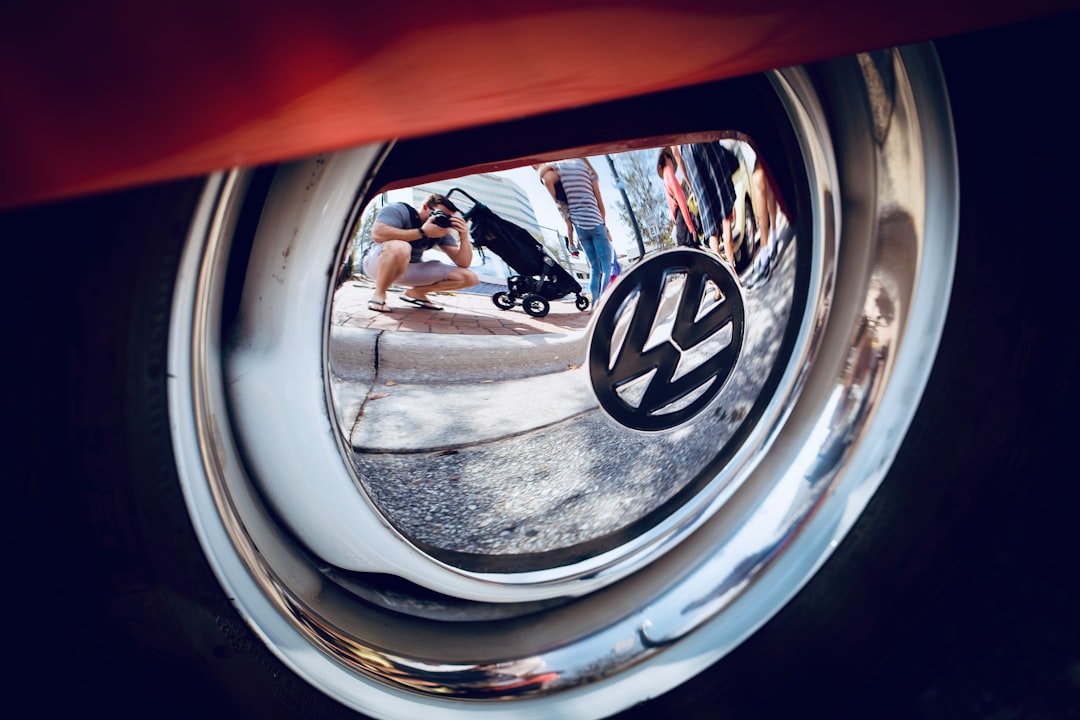
VWFNDR is a new mobile camera app that embeds cryptographic proof into every photo you take, verifying that images are real and unaltered. As AI-generated imagery becomes indistinguishable from real photography, this tool offers a compelling solution for journalists, legal professionals, and everyday users who need to prove their photos are authentic.
A New Camera App Wants to Restore Trust in Photography
In a digital landscape increasingly flooded with AI-generated imagery, a new tool called VWFNDR (pronounced “viewfinder”) paired with its mobile component MBL is making waves by tackling one of the most pressing problems of the modern internet: how do you prove a photograph is actually real?
The app allows users to take photos on their mobile devices while simultaneously embedding cryptographic proof that the image was captured by a real camera sensor at a specific time and place — not fabricated by a generative AI model, not manipulated in Photoshop, and not composited from multiple sources.
What Exactly Does VWFNDR Do?
At its core, VWFNDR functions as a camera application, but what happens beneath the surface is what sets it apart. When you take a photo using the app, it captures device-level metadata and cryptographic signatures at the moment of capture. This creates an immutable chain of evidence tying the image to:
- The specific device that captured the shot
- The exact timestamp of when the shutter fired
- GPS coordinates confirming where the photo was taken
- A cryptographic hash that verifies the image hasn’t been altered after capture
The result is a photograph that carries built-in proof of its authenticity — a kind of digital birth certificate for every image you capture. If even a single pixel is modified after the fact, the verification chain breaks, and the tampering becomes immediately detectable.
Why This Matters Right Now
We’ve reached a strange inflection point in the history of visual media. Tools like DALL·E 3, Midjourney, and Stable Diffusion can now produce photorealistic images that are virtually indistinguishable from real photographs. The consequences extend far beyond internet curiosity.
Misinformation campaigns, insurance fraud, fabricated evidence in legal proceedings, and manipulated journalism are all accelerating problems. A 2024 report from the Reuters Institute for the Study of Journalism found that trust in online visual media has declined sharply, with over 50% of respondents expressing doubt about the authenticity of photos they encounter on social platforms.
VWFNDR enters this discussion at precisely the right moment. Rather than trying to detect AI-generated images after the fact — an approach that’s increasingly unreliable as generative models improve — it flips the paradigm entirely. It proves authenticity at the point of creation.
For a deeper look at how artificial intelligence is reshaping content creation, check out our coverage on GalaxyBrain: The Local-First Information OS Changing How We.
The Broader Context: Content Provenance Standards
VWFNDR doesn’t exist in a vacuum. The concept of proving media authenticity has been gaining institutional momentum for several years. The Coalition for Content Provenance and Authenticity (C2PA), backed by Adobe, Microsoft, Intel, and the BBC, has been developing open technical standards for attaching provenance data to digital media.
Camera manufacturers like Leica, Sony, and Nikon have begun integrating content authenticity features into their professional-grade hardware. But these solutions typically target high-end photographers and newsrooms, leaving a massive gap in the consumer and mobile photography space.
That gap is exactly where VWFNDR positions itself. By building this verification layer into a mobile app, it democratizes access to content provenance technology. Anyone with a smartphone can now take photos that carry verifiable proof of their authenticity — no $5,000 camera body required.
Who Stands to Benefit Most?
The potential user base for VWFNDR extends across several high-stakes fields:
- Journalists and photojournalists who need to demonstrate that their images are unmanipulated and captured on location
- Insurance adjusters and claims investigators who rely on photographic evidence of damage or incidents
- Legal professionals submitting photographic evidence that must withstand scrutiny in court
- Citizen journalists and activists documenting events in conflict zones or protest situations
- Social media users who simply want to prove that what they’re sharing is real
The discussion around VWFNDR in developer and tech communities has been notably enthusiastic, with many pointing out that this kind of tool will only become more essential as AI-generated content continues to proliferate.
Potential Challenges Ahead
No solution is without its limitations, and VWFNDR will likely face several hurdles as it scales. Privacy-conscious users may balk at the requirement for GPS and device-level data, even if that information is cryptographically secured rather than publicly exposed. There’s also the question of adoption — a verified photo is only meaningful if the platforms where it’s shared actually recognize and display its provenance data.
Additionally, sophisticated bad actors may attempt to spoof device sensors or manipulate the verification process itself. The robustness of VWFNDR’s cryptographic implementation will be tested rigorously by security researchers in the months ahead.
We’ve explored similar challenges in our piece on AI and the Future of Cybersecurity: Why Openness Matters, which examines the ongoing arms race between media manipulation and verification tools.
What Comes Next
The trajectory for tools like VWFNDR points toward a future where proof of authenticity becomes a standard feature of digital photography, not a niche add-on. As major platforms like Meta, X (formerly Twitter), and Google begin implementing C2PA-compatible verification displays, the infrastructure for consuming authenticated media is slowly falling into place.
If VWFNDR can successfully bridge the gap between enterprise-grade content provenance and everyday mobile photography, it could become an indispensable tool in the fight against visual misinformation. The real test will be whether mainstream users adopt it — and whether the broader tech ecosystem embraces its verification standard.
For now, VWFNDR represents one of the most promising practical answers to a question that grows more urgent by the day: in a world where anyone can generate a convincing fake, how do you prove that what you captured is real?
Previous Post
Next Post
Advertisement