Now Reading: Resend CLI 2.0: A Major Upgrade for Developers and AI Agents
- 01
Resend CLI 2.0: A Major Upgrade for Developers and AI Agents
Resend CLI 2.0: A Major Upgrade for Developers and AI Agents
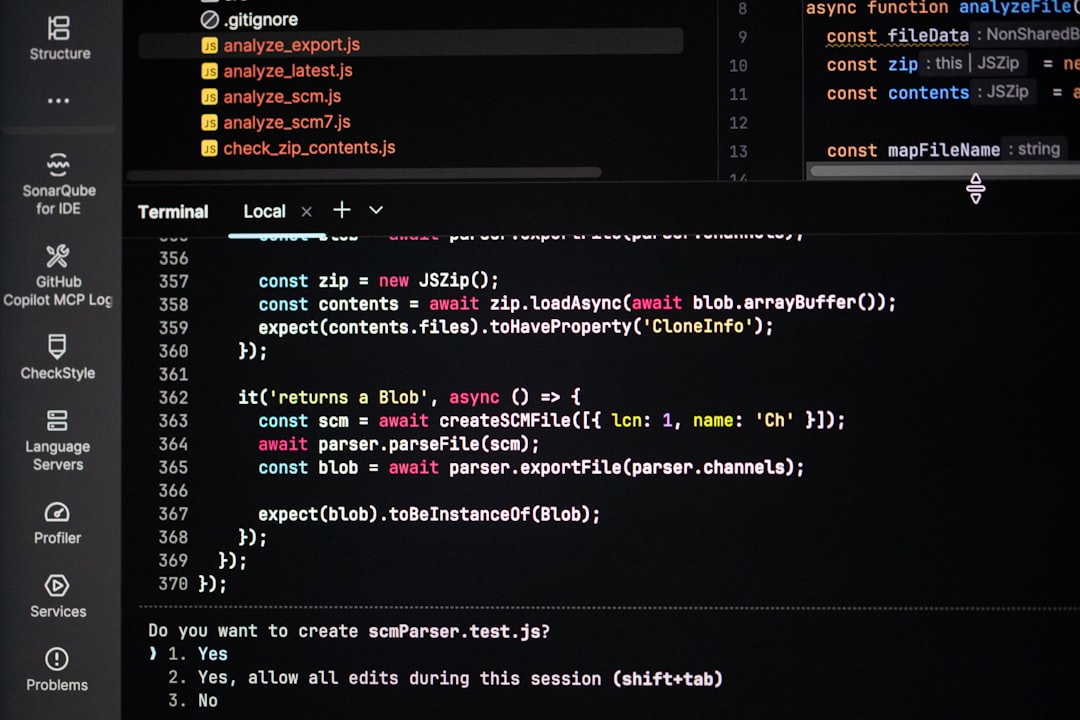
Resend has launched CLI 2.0, a major upgrade to its command-line interface designed to serve human developers, AI agents, and CI/CD pipelines equally. The release signals a broader industry shift toward developer tools that treat automated workflows as first-class citizens.
Resend, the developer-focused email API platform founded by Zeno Rocha, has officially rolled out version 2.0 of its command-line interface — and this time, the tool isn’t just built for human developers. The new Resend CLI 2.0 has been architected from the ground up to serve three distinct audiences: individual developers working from their terminals, autonomous AI agents that need programmatic email capabilities, and automated CI/CD pipelines that demand reliable integration at every stage of deployment.
What’s New in Resend CLI 2.0
The headline feature of this release is its versatility. Rather than shipping a narrow tool designed exclusively for manual use, the Resend team recognized a fundamental shift in how modern software gets built and deployed. Developers no longer work in isolation — they collaborate with automated systems, orchestration layers, and increasingly, AI-powered coding assistants.
With CLI 2.0, Resend has introduced capabilities that make the tool equally useful whether a human is typing commands, an AI agent is invoking it as part of a larger workflow, or a deployment pipeline is triggering email-related tasks automatically. Key improvements include:
- Streamlined authentication flows that work in headless environments, making pipeline integration seamless.
- Structured output modes (like JSON) that AI agents and scripts can parse without ambiguity.
- Improved error handling and feedback designed to be interpretable by both humans reading terminal output and machines processing return codes.
- Faster execution times and reduced dependencies, which matter significantly when the CLI runs thousands of times per day inside automated workflows.
The release has already sparked active discussion within the developer community, with engineers praising the forward-thinking approach of treating AI agents as first-class users of developer tooling.
Why This Matters for the Developer Ecosystem
The timing of this release is no accident. The explosion of AI-powered coding agents — from GitHub Copilot to tools like Cursor and Devin — has fundamentally changed the expectations developers have for their toolchains. CLI tools that only work well when a human is at the keyboard are quickly becoming a liability.
Resend’s decision to treat AI agents and CI/CD pipelines as co-equal users reflects a broader industry trend. Companies like Vercel, Supabase, and Cloudflare have all been retooling their developer experiences to accommodate autonomous workflows. Resend is now positioning itself at the intersection of email infrastructure and this new paradigm.
If you’ve been exploring how AI is reshaping developer workflows, our overview of Astra: Build AI Agents That Never Access Your Data covers several platforms making similar strategic moves.
Background: How Resend Got Here
For those unfamiliar, Resend launched in 2023 with a simple but compelling promise: make transactional email as developer-friendly as modern API platforms like Stripe and Twilio. Founded by Zeno Rocha, a well-known figure in the open-source community, the company quickly gained traction by offering clean APIs, excellent documentation, and a React-based email templating system called React Email.
The original Resend CLI was a useful companion tool, allowing developers to manage API keys, send test emails, and interact with their accounts without leaving the terminal. But version 1.x was clearly designed with a single user type in mind — a human developer running commands interactively.
Version 2.0 represents a philosophical evolution. It acknowledges that in 2024 and beyond, the “user” of a CLI tool might not be a person at all.
The Expert Angle: Where the Industry Is Heading
Developer tooling experts have been predicting this convergence for months. The rise of agentic AI — where large language models don’t just suggest code but actively execute multi-step tasks — demands infrastructure that speaks the language of automation natively.
Consider the practical scenario: an AI agent is tasked with setting up a new microservice, including email notifications. With Resend CLI 2.0, that agent can authenticate, configure domains, send test emails, and validate deliverability — all without human intervention and without fragile screen-scraping workarounds.
This is precisely the kind of tooling that makes AI agents genuinely useful in production environments rather than impressive demos. As CI/CD practices continue to mature, expect more infrastructure providers to follow Resend’s lead.
What to Watch Next
Several developments are worth tracking in the wake of this release:
- Adoption metrics: How quickly do teams integrate Resend CLI 2.0 into their existing pipelines? Early community discussion suggests strong interest, but real-world adoption will tell the full story.
- Competitive response: Rival email API providers like SendGrid, Postmark, and Mailgun will likely face pressure to modernize their own CLI experiences for agent-driven workflows.
- Expanded agent integrations: Resend may soon offer dedicated plugins or SDKs specifically for popular AI agent frameworks like LangChain or CrewAI, making email capabilities available as native agent tools.
For a deeper look at how automation is transforming email and communication tools, check out our roundup of Best AI Tool Options Reshaping How We Work in 2023.
The Bottom Line
Resend CLI 2.0 isn’t just an incremental update — it’s a signal of where developer tools are heading. By designing for humans, AI agents, and CI/CD pipelines simultaneously, Resend is placing a bet that the future of software development is collaborative in ways we’re only beginning to understand. For teams already using Resend or evaluating their email infrastructure options, this release deserves serious attention.
The era of tools built exclusively for human operators is fading. The companies that recognize this earliest — and ship accordingly — will define the next generation of developer experience.
Previous Post
Next Post


Advertisement