Now Reading: Insta360 Mic Pro: E-Ink Display Meets Pro Audio Recording
- 01
Insta360 Mic Pro: E-Ink Display Meets Pro Audio Recording
Insta360 Mic Pro: E-Ink Display Meets Pro Audio Recording
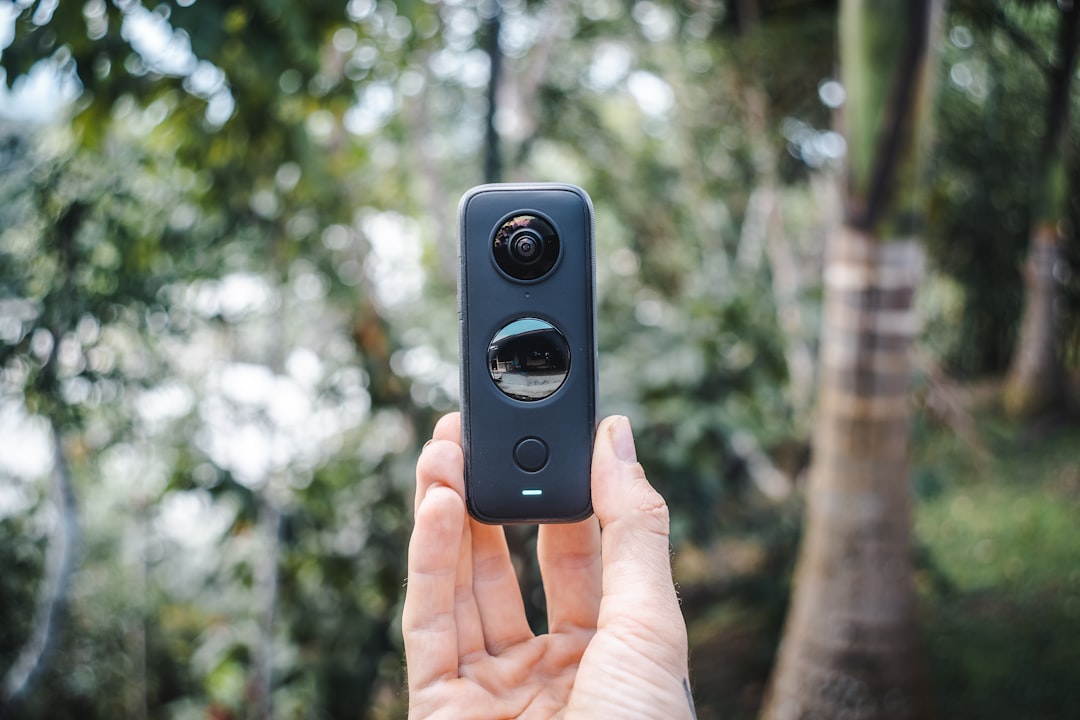
Insta360 has unveiled the Mic Pro, a wireless microphone system featuring a customizable color E-Ink display and professional-grade audio recording. The product signals Insta360's expansion beyond cameras into a full creator ecosystem, directly challenging established audio brands like Rode and DJI.
Insta360 Enters the Pro Audio Arena with a Wireless Mic Like No Other
The company best known for revolutionizing 360-degree cameras is making a bold move into professional audio territory. Insta360 has unveiled the Mic Pro, a wireless microphone system that pairs studio-grade recording capabilities with a striking customizable color E-Ink face — a combination that no competitor in the wireless mic space has attempted before.
The announcement has already sparked significant discussion among content creators, filmmakers, and tech enthusiasts who see this as a signal that Insta360 is no longer content with dominating just one product category. It wants to own the entire creator toolkit.
What Exactly Is the Insta360 Mic Pro?
At its core, the Mic Pro is a wireless microphone system designed for professional and prosumer content creators. But what sets it apart from crowded competitors like Rode, DJI, and Hollyland is the integration of a color E-Ink display on the body of each transmitter.
This E-Ink face serves multiple purposes:
- Real-time audio monitoring: Users can view levels, battery status, and recording indicators at a glance without reaching for their phone.
- Customizable branding: Creators can upload logos, custom graphics, or text to the display, turning the mic into a subtle branding tool during interviews, podcasts, or on-camera appearances.
- Ultra-low power consumption: E-Ink technology draws virtually no power when displaying a static image, preserving battery life for longer recording sessions.
The color element is key here. Previous E-Ink implementations in consumer tech — like Kindle readers or phone cases — have largely been monochrome. Insta360 is leveraging newer color E-Ink panels that can render logos and graphics with enough vibrancy to be visible on camera.
Why This Matters for the Creator Economy
The wireless microphone market has exploded over the past three years. What was once a niche product for broadcast professionals has become standard gear for YouTubers, podcasters, TikTok creators, and corporate communicators. Market research firm Grand View Research projects the global wireless microphone market will exceed $4 billion by 2030.
Yet despite this growth, differentiation has stalled. Most wireless mic systems look identical — small black or white boxes clipped to a lapel. Insta360 is betting that the customizable face of the Mic Pro will resonate with creators who treat every visible piece of gear as an extension of their personal brand.
For those already familiar with how Insta360 disrupted the camera space, this strategy makes sense. If you’ve been following the evolution of creator hardware, our coverage of Voiser AI: Human-Like Voiceovers in 140+ Languages provides useful context on how software and hardware are converging to serve this market.
The Insta360 Playbook: From Cameras to an Ecosystem
Insta360, headquartered in Shenzhen, China, built its reputation on products like the ONE X series and the X4 — action cameras that made 360-degree video accessible and genuinely fun. The company’s software prowess, particularly its AI-powered reframing tools, turned what could have been a gimmick into a legitimate filmmaking workflow.
The Mic Pro represents a natural extension of that ecosystem. By controlling both the camera and the audio input, Insta360 can offer tighter integration — think automatic audio syncing, unified app controls, and potentially shared AI processing for noise reduction and audio enhancement.
This mirrors the strategy that DJI has employed by expanding from drones into gimbals, action cameras, and its own DJI Mic system. The audio market is now a battleground where camera companies and audio companies are converging, and the winner will be whoever delivers the most seamless end-to-end experience.
What Industry Observers Are Saying
The early discussion around the Mic Pro has been a mix of excitement and healthy skepticism. Audio purists want to know whether the internal capsules and transmission codecs can truly compete with established players like Rode’s Wireless Pro or Sennheiser’s digital systems.
The customizable color display, meanwhile, has drawn comparisons to the Nothing Phone’s Glyph interface — another example of a tech company using unconventional visual elements to stand out in a sea of identical hardware. Whether the E-Ink face is genuinely useful or merely a novelty will depend on execution, particularly how responsive the display is and how easy Insta360 makes the customization process through its companion app.
Several YouTube tech reviewers have noted that the mere fact that Insta360 is entering the audio market signals confidence in its engineering capabilities beyond optics and image processing. The company has historically delivered strong software support post-launch, which gives early adopters some reassurance.
Key Specs and Features to Watch
While full specifications are still being confirmed through official channels, here’s what early reports indicate about the Mic Pro:
- Dual-channel wireless transmission — supporting two transmitters simultaneously for interview setups.
- 32-bit float recording — the current gold standard that prevents audio clipping, already seen in competitors like the Zoom F3.
- Onboard storage — local backup recording on each transmitter for redundancy.
- Color E-Ink customizable face — programmable via the Insta360 app with templates, custom images, and real-time data overlays.
- USB-C charging and connectivity — with direct plug-in options for smartphones and cameras.
If you’re evaluating how this fits into a broader production setup, our guide on LayerProof Kraft: AI-Powered Long Form Writing Tool | Review breaks down the current competitive landscape.
What Comes Next
The Mic Pro positions Insta360 to compete on two fronts simultaneously: audio quality and industrial design. If the company can deliver clean, reliable audio that matches or exceeds the Rode Wireless Pro — currently the benchmark in this category — while offering a genuinely useful and visually distinctive E-Ink display, it could carve out significant market share quickly.
Expect Insta360 to lean heavily on software updates post-launch, potentially adding AI-powered features like real-time noise suppression, automatic gain adjustment, and deep integration with its existing camera lineup. The company’s track record suggests the launch-day product will only be the starting point.
For creators and journalists who rely on wireless audio daily, the Mic Pro is worth watching closely. Not because a color screen on a microphone is inherently revolutionary, but because Insta360 has a proven ability to ship polished, thoughtfully designed products that actually deliver on their promises. In a market flooded with nearly identical black boxes, that combination of professional audio engineering and distinctive, customizable design might be exactly what the creator economy has been waiting for.
Previous Post
Next Post

Advertisement