Now Reading: Oura Ring 5: The Smallest Smart Ring Gets Even Better
- 01
Oura Ring 5: The Smallest Smart Ring Gets Even Better
Oura Ring 5: The Smallest Smart Ring Gets Even Better
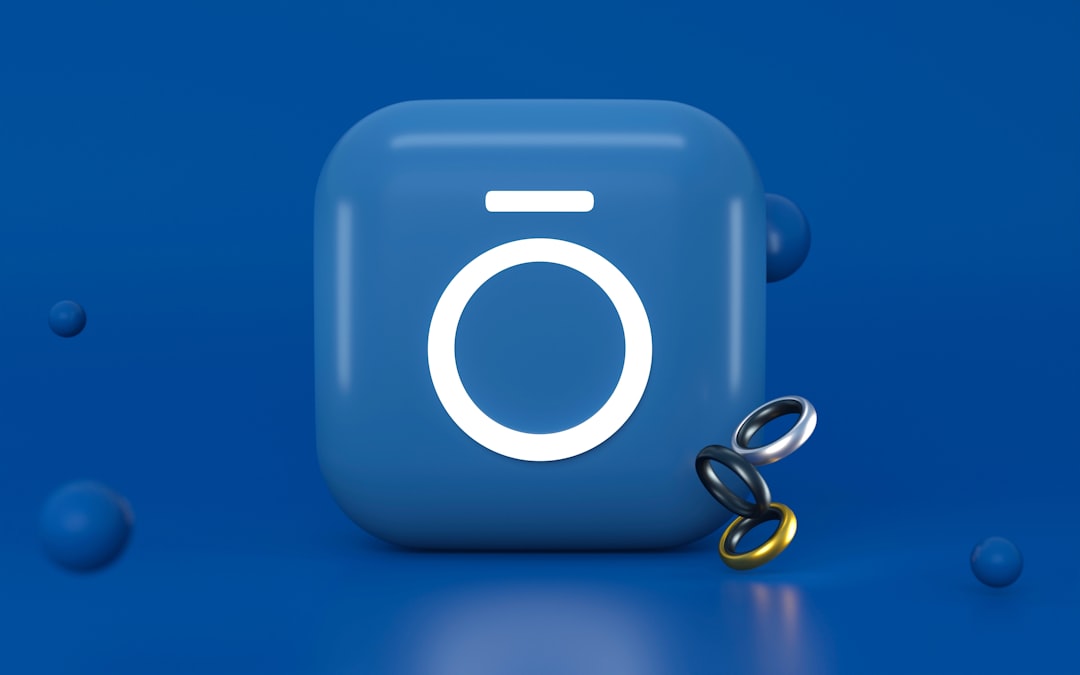
Oura has launched the Ring 5, achieving the world's smallest smart ring form factor while upgrading sensors, battery life, and AI-powered health insights. Here's why this fifth-generation device matters for the wearable industry and what comes next.
Oura Unveils Its Fifth-Generation Smart Ring — And It’s a Game-Changer
Finnish health technology company Oura has officially launched the Oura Ring 5, staking its claim as the creator of the world’s smallest smart ring. The latest iteration pushes the boundaries of what’s physically possible in a wearable device, packing upgraded sensors, improved battery performance, and refined AI-driven health insights into a form factor that has somehow gotten even more compact.
For a company that essentially created the modern smart ring category, this fifth generation feels like a statement of intent: Oura isn’t just iterating — it’s widening the gap between itself and a growing field of competitors.
What’s New in the Oura Ring 5
The headline feature is size. Oura has managed to shrink the ring’s profile yet again, making it virtually indistinguishable from a standard piece of jewelry. But the real story is what the company has packed inside that diminished shell.
Key upgrades include:
- Redesigned sensor array: New multi-wavelength LEDs deliver more accurate heart rate, blood oxygen, and skin temperature readings, even during high-intensity movement.
- Extended battery life: Oura claims up to eight days of use on a single charge, an improvement over the Ring 4’s roughly seven-day window.
- Enhanced AI coaching: The companion app now uses more sophisticated machine learning models to deliver personalized readiness scores, sleep staging, and recovery recommendations.
- Thinner, lighter titanium construction: The ring is noticeably slimmer on the finger, addressing one of the most common complaints from previous-generation users.
- Improved water resistance: Rated for deeper and longer submersion, making it more practical for swimmers and divers.
If you’ve been following the evolution of Oura’s product line, the trajectory is clear: each generation delivers meaningfully better data from a progressively smaller package.
Why This Matters for the Wearable Industry
The smart ring market has exploded over the past two years. Samsung entered the arena with the Galaxy Ring in 2024, and rumors continue to swirl about Apple exploring a similar form factor. Startups like Ultrahuman and RingConn have carved out niches with budget-friendly alternatives.
Against this backdrop, Oura’s fifth-generation device isn’t just a product launch — it’s a competitive moat. By achieving the smallest form factor in the category while simultaneously improving sensor accuracy and battery endurance, Oura is forcing rivals to play catch-up on multiple fronts simultaneously.
The broader implication is equally significant. Smart rings are increasingly being viewed not as novelties but as legitimate medical-grade monitoring tools. Oura has published peer-reviewed research on its temperature-sensing capabilities, and the Ring 5’s upgraded hardware could accelerate partnerships with healthcare providers and clinical researchers. If you’re interested in how AI is reshaping health monitoring, check out our coverage of Drafted: AI Tool That Lets You Design a Home Instantly.
A Brief History of Oura’s Rise
Founded in Oulu, Finland in 2013, Oura started as a Kickstarter project with a bold premise: what if you could track sleep and recovery from your finger instead of your wrist? The first-generation ring was chunky and limited, but it proved the concept.
By the time the Oura Ring 3 launched in 2021, the company had attracted celebrity endorsements, NBA partnerships, and a $2.55 billion valuation. The Ring 4, released in 2024, introduced a flatter design and expanded the sensor suite significantly.
Now, with the Ring 5, Oura appears to be entering its maturity phase — a company that no longer needs to prove the category exists, but instead needs to demonstrate why its version remains the gold standard.
What Experts and Analysts Are Saying
Industry observers have been quick to note that Oura’s miniaturization achievement isn’t trivial. Shrinking sensors, batteries, and wireless antennas while maintaining — or improving — performance requires significant advances in component engineering and power management.
Health tech analysts point out that the ring form factor offers inherent advantages over wrist-based wearables. The palmar arteries in the finger provide cleaner physiological signals with less motion artifact, and users tend to wear rings 24/7, including during sleep — something that can’t always be said about bulky smartwatches.
The subscription model remains a point of contention, however. Oura charges a monthly fee for full access to its app’s insights, and some critics argue that hardware this premium should include lifetime software access. Whether the Ring 5’s enhanced AI features justify the ongoing cost will be a key factor in consumer adoption.
What Comes Next for Smart Rings
The Oura Ring 5 arrives at a pivotal moment for the category. Several developments are worth watching:
- Apple’s potential entry: Patents and supply chain leaks suggest Cupertino is actively developing a smart ring. An Apple Ring would instantly reshape the competitive landscape.
- FDA-cleared features: Oura has hinted at pursuing regulatory approval for specific health monitoring capabilities, which could unlock medical use cases far beyond fitness tracking.
- Integration with AI assistants: As on-device AI becomes more capable, expect smart rings to serve as always-on biometric inputs for personalized AI coaching systems. Our guide on CircadiaOS: Affordable Sleep Optimization Without the Pod explores this trend in depth.
- Battery technology breakthroughs: Solid-state and micro-battery innovations could eventually push smart ring battery life into the two-week range, further reducing friction for users.
The Bottom Line
The Oura Ring 5 represents the most refined expression yet of what a smart ring can be. It’s the smallest device in its class, it delivers meaningfully better health data than its predecessor, and it arrives at a moment when the world is paying more attention to this category than ever before.
For existing Oura users, the upgrade path is compelling. For newcomers weighing their first smart ring purchase, the Ring 5 makes a strong case for why Oura remains the brand to beat. And for the broader wearable industry, this launch is a reminder that even the tiniest devices can make an outsized impact on how we understand our own health.
As TechCrunch and other major outlets begin publishing hands-on reviews, the consensus is likely to confirm what the specs already suggest: Oura has once again raised the bar in a category it helped create.
Previous Post
Next Post

Advertisement