Now Reading: Drafted: AI Tool That Lets You Design a Home Instantly
- 01
Drafted: AI Tool That Lets You Design a Home Instantly
Drafted: AI Tool That Lets You Design a Home Instantly
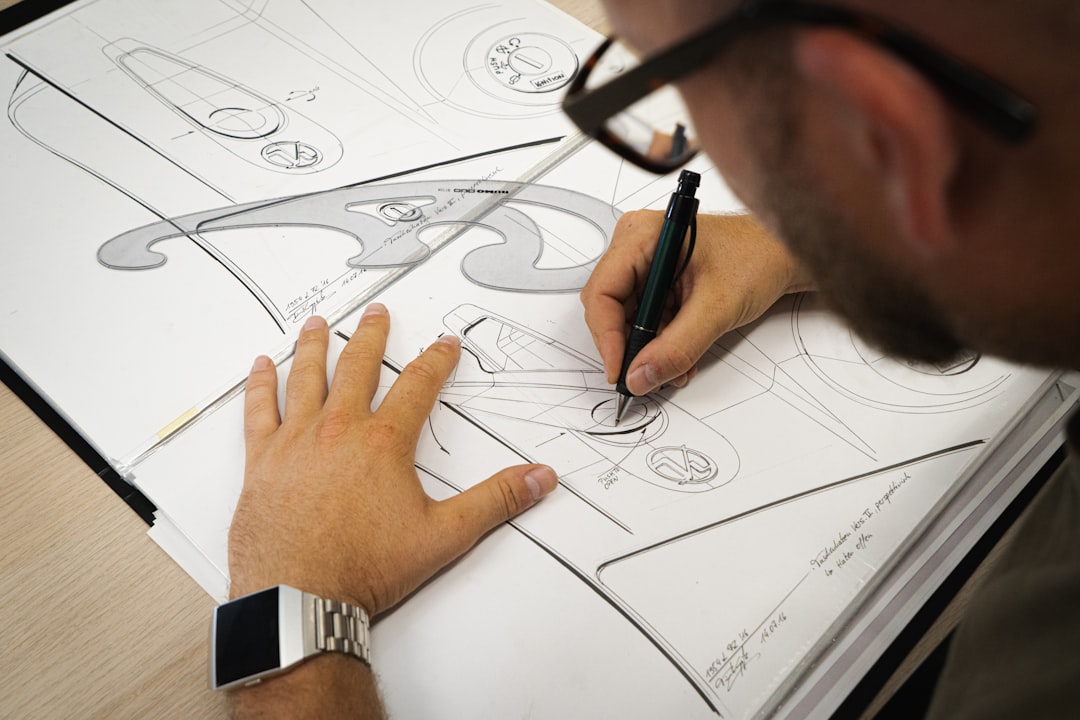
Drafted is a new AI-powered tool that lets users design a home instantly by generating floor plans and layouts in seconds. The platform has sparked significant discussion in tech and design communities, raising important questions about the future of architecture, building compliance, and AI-driven creativity.
A New AI Tool Called Drafted Wants to Revolutionize How You Design a Home
A buzzy new AI-powered application called Drafted has emerged onto the scene, promising to let users design a home instantly using artificial intelligence. The tool has already sparked significant discussion across tech and design communities, drawing attention from architects, homeowners, and AI enthusiasts alike.
Drafted positions itself at the intersection of two rapidly converging industries — artificial intelligence and residential design — and its arrival signals a broader shift in how everyday people might approach one of the most consequential decisions of their lives: creating the home they want to live in.
What Is Drafted and How Does It Work?
At its core, Drafted is an AI-driven platform that automates the home design process. Users can input preferences — square footage, number of rooms, architectural style, lot dimensions — and the tool generates floor plans, layouts, and even visual renderings in seconds rather than weeks.
The key selling point is speed. Traditional home design involves lengthy consultations with architects, multiple revision cycles, and a timeline that can stretch across months. Drafted compresses that workflow dramatically, producing usable design outputs almost instantly.
While detailed technical documentation about the model architecture behind Drafted remains limited, the tool appears to leverage generative AI techniques similar to those used by platforms like OpenAI and diffusion-based image generation systems. The result is a tool that doesn’t just retrieve pre-made templates — it creates original designs tailored to each user’s specifications.
Why This Matters for the Design and Construction Industry
The implications of a tool like Drafted extend far beyond convenience. Here’s why the industry is paying attention:
- Democratized access to design: Professional architectural services can cost thousands of dollars before a single wall goes up. Drafted lowers the barrier to entry, giving first-time homebuilders and budget-conscious renovators access to sophisticated design capabilities.
- Faster iteration cycles: Builders and developers who need to explore multiple configurations for a given lot can now generate and compare dozens of options in the time it previously took to draft one.
- Reduced friction in early-stage planning: Many prospective homeowners abandon custom-build projects because the upfront design phase feels overwhelming. An AI tool that produces results instantly removes a major psychological and financial hurdle.
The broader context here is important. The global architectural design industry is already undergoing a digital transformation, with Building Information Modeling (BIM) tools and parametric design software becoming standard. Drafted represents the next logical step: making AI the designer itself, rather than merely a tool the designer uses.
The Growing Wave of AI in Home and Interior Design
Drafted doesn’t exist in a vacuum. It joins a growing roster of AI-powered design tools that have gained traction over the past two years. Platforms like Planner 5D, Interior AI, and REimagineHome have already proven there’s strong consumer demand for AI-assisted home visualization.
What sets Drafted apart, based on early discussion in online communities, is its focus on structural home design rather than just interior decoration. While many competitors help you pick paint colors or rearrange furniture, Drafted appears to tackle the harder problem of spatial planning and architectural layout.
For a deeper look at how AI is transforming creative workflows, check out our coverage of Smart Miles: AI-Powered Trip Tracking Now Tax-Ready.
What the Community Is Saying
The link to Drafted has generated lively discussion on platforms like Hacker News and Product Hunt, where early adopters tend to surface new tools before they hit the mainstream. Reactions have been a mix of excitement and healthy skepticism.
Supporters highlight the tool’s potential to make custom home design accessible to people who could never afford a traditional architect. Critics, however, raise valid concerns:
- Structural integrity: Can AI-generated floor plans actually be built safely, or do they still require professional engineering review?
- Local building codes: Home design isn’t just about aesthetics — it must comply with zoning laws, fire codes, and accessibility requirements that vary by jurisdiction.
- The role of human architects: Will tools like Drafted complement professional architects, or threaten to replace them for lower-end projects?
These are not trivial questions. As Forbes has noted in its broader AI coverage, the gap between what generative AI can produce and what is actually production-ready remains significant in most industries — and construction is one of the most regulated sectors in the world.
What Comes Next for Drafted and AI Home Design
The trajectory for tools like Drafted will likely depend on a few key factors over the coming months:
- Integration with existing workflows: If Drafted can export designs in formats compatible with CAD software, BIM platforms, or even 3D printing pipelines, its utility skyrockets.
- Partnerships with builders: The real unlock would be a direct link between AI-generated designs and construction firms that can execute them — turning a digital blueprint into a physical home with minimal friction.
- Regulatory alignment: Earning trust from local planning authorities and building inspectors will be essential for mainstream adoption.
We’re also likely to see competitors respond quickly. The AI tools landscape is intensely competitive, and any tool that gains traction instantly becomes a template for fast followers. You can explore more of these emerging platforms in our roundup of CircadiaOS: Affordable Sleep Optimization Without the Pod.
The Bottom Line
Drafted represents something genuinely exciting in the AI tools space: a practical application of generative AI that addresses a real, expensive, and time-consuming problem. The ability to design a home instantly — or at least generate a credible starting point in seconds — has the potential to reshape early-stage homebuilding for millions of people.
That said, it’s important to approach tools like Drafted with informed optimism. AI can accelerate creativity and lower costs, but the physical world of construction demands precision, safety, and regulatory compliance that algorithms alone cannot guarantee. The smartest use case, for now, may be treating Drafted as a powerful brainstorming partner — one that gets you 80% of the way there before a human expert takes the design across the finish line.
Keep an eye on this space. If the early discussion is any indication, Drafted is just the beginning of a much larger transformation in how we imagine, plan, and build the places we call home.
Previous Post
Next Post


Advertisement