Now Reading: Amazon Fire TV Stick HD Runs Vega OS, Ditches Power Plug
- 01
Amazon Fire TV Stick HD Runs Vega OS, Ditches Power Plug
Amazon Fire TV Stick HD Runs Vega OS, Ditches Power Plug
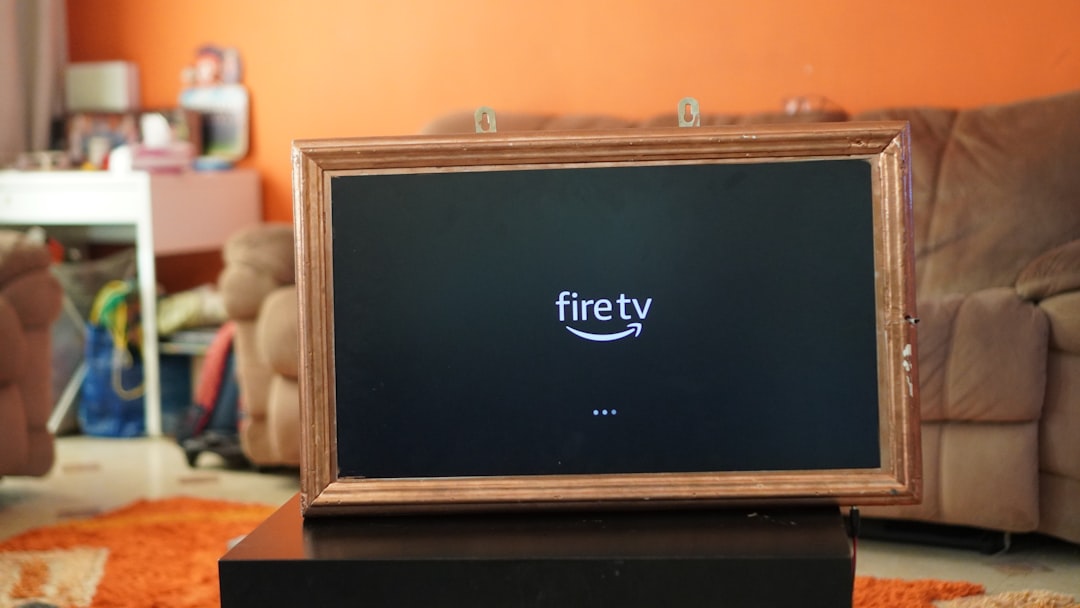
Amazon's refreshed Fire TV Stick HD introduces the all-new Vega OS and eliminates the wall power adapter by drawing energy directly from your TV's USB port. Here's what these changes mean for streaming performance, smart home integration, and the competitive landscape.
Amazon Just Quietly Solved One of Streaming’s Most Annoying Problems
If you’ve ever wrestled a Fire TV Stick behind your television, cursing at the dangling power cable and the wall adapter that barely reaches the outlet, you already understand why Amazon’s latest hardware move matters. The company has unveiled a refreshed Fire TV Stick HD that draws power directly from your TV’s USB port — no external adapter, no extra cable clutter, no hunting for a free socket on your overcrowded power strip.
But the hardware tweak is only half the story. Under the hood, Amazon has migrated the device to its brand-new Vega OS, replacing the aging Fire OS that has powered its streaming lineup for years. Let’s unpack what both of these changes actually mean for the millions of households that rely on Fire TV every day.
What Is Vega OS, and Why Did Amazon Build It?
For over a decade, Amazon’s Fire TV ecosystem ran on Fire OS, a forked version of Android tailored for living-room hardware. It worked, but it came with baggage — dependency on Google’s open-source Android codebase, slower update cycles, and limitations that made it harder for Amazon to differentiate its platform from the sea of Android TV devices flooding the market.
Vega OS represents a clean break. Amazon developed it in-house with a focus on speed, lighter resource requirements, and tighter integration with Alexa and the broader Amazon smart-home ecosystem. Think of it as Amazon doing what Apple did years ago when it stopped licensing Mac OS to third parties and locked down its own vertical stack. Control the software, control the experience.
Early hands-on reports suggest that Vega OS boots faster, navigates more fluidly, and surfaces personalized content recommendations with noticeably less lag. For a device that retails at a budget price point, that kind of responsiveness can feel almost premium. If you’ve been following our coverage of IMF Cuts Global Growth Forecast During Hormuz Blockade, this is a significant shake-up in the entry-level tier.
No More Power Adapter: A Small Change With Big Implications
Eliminating the wall plug sounds trivial until you consider the real-world friction it removes. The previous-generation Fire TV Stick HD shipped with a micro-USB cable and a power brick. That adapter had to reach an outlet, which often meant routing a cable along the wall or using an extension cord behind a wall-mounted TV.
The 2025 model draws enough power from a standard USB port on your television. When the TV turns on, the stick powers up. When the TV shuts off, the stick sleeps. It’s elegant, and it mirrors what competitors like Roku have offered on certain models for a while now.
Why Didn’t Amazon Do This Sooner?
Previous Fire TV Sticks required more wattage than a typical TV USB port could deliver, especially during intensive tasks like 4K decoding or running Alexa voice commands in the background. By moving to Vega OS — which is leaner and more power-efficient — Amazon apparently reduced the device’s energy footprint enough to make USB-only power viable for the HD model.
It’s worth noting that the higher-end 4K and 4K Max variants may still need dedicated power, given the additional processing demands of ultra-high-definition decoding and HDR tone mapping. But for the HD stick — the best-selling model in Amazon’s lineup — this is a welcome simplification.
What This Means for the Streaming Hardware Landscape
Amazon isn’t making these changes in a vacuum. The streaming dongle market is intensely competitive, with Roku, Google’s Chromecast (now Google TV Streamer), and Apple TV all vying for the HDMI port behind your screen. Here’s how the refreshed Fire TV Stick HD stacks up against the field:
- Price: Amazon has historically undercut competitors, and the new stick is expected to maintain its sub-$35 price tag — often dropping below $20 during Prime Day sales.
- Ecosystem lock-in: Vega OS deepens integration with Alexa, Ring cameras, and Amazon’s smart home platform. If your house already runs on Echo devices, the Fire TV Stick becomes the natural living-room hub.
- App compatibility: The shift away from Android-based Fire OS raises questions about long-term app support. Amazon says all major streaming apps — Netflix, Disney+, Hulu, Max, Peacock — are available at launch, but smaller developers may take time to adapt.
- Setup simplicity: USB power means one fewer cable and one fewer step during setup. For non-technical users, that reduction in friction is genuinely meaningful.
According to TechCrunch, Amazon’s Fire TV platform already reaches over 200 million monthly active users globally. Even incremental improvements at that scale can shift user behavior — and advertising revenue — in significant ways.
The Bigger Picture: Amazon’s Living Room Strategy
Zoom out, and this hardware refresh is really a Trojan horse for Amazon’s services business. Every Fire TV Stick sold is a gateway to Prime Video subscriptions, Freevee ad-supported content, Amazon Music, and impulse purchases via voice commands. The hardware itself is practically sold at cost; the margin lives in engagement.
By building Vega OS from scratch, Amazon gains full control over the ad placements, content carousels, and recommendation algorithms that appear on your home screen. No more working within Android’s constraints. No more sharing data pipelines with Google’s open-source ecosystem. It’s a power play dressed up as a product update.
For a deeper look at how tech giants monetize their hardware ecosystems, check out our analysis of IMF Cuts Global Growth Forecast During Hormuz Blockade.
Should You Upgrade?
If you’re currently using a Fire TV Stick from 2022 or earlier, the new model offers tangible quality-of-life improvements. Here’s a quick decision framework:
- Upgrade if your current stick feels sluggish, you’re tired of the power cable mess, or you want tighter Alexa integration.
- Wait if you already own a 2023 model that still performs well, or if you need 4K resolution — the USB-powered simplicity is limited to the HD variant for now.
- Skip if you’re invested in the Google or Apple ecosystem. Vega OS doubles down on Amazon’s walled garden, and cross-platform flexibility isn’t its strength.
Final Thoughts
Amazon’s new Fire TV Stick HD runs Vega OS and ditches the power plug — and while neither change sounds revolutionary on paper, together they signal a company tightening its grip on the living room. The move to a proprietary operating system gives Amazon unprecedented control over the user experience, while the USB-powered design removes the last bit of setup friction that kept the dongle from being truly plug-and-play.
Whether you’re a cord-cutter looking for an affordable entry point or a smart-home enthusiast building out an Alexa-powered household, this refresh deserves your attention. Keep an eye on how third-party app developers respond to Vega OS in the coming months — that will be the real test of whether Amazon’s bet pays off.
Previous Post
Next Post

Advertisement