
Now Reading: The Top 10 Digital Marketing Trends For 2026 Explained
-
01
The Top 10 Digital Marketing Trends For 2026 Explained
The Top 10 Digital Marketing Trends For 2026 Explained
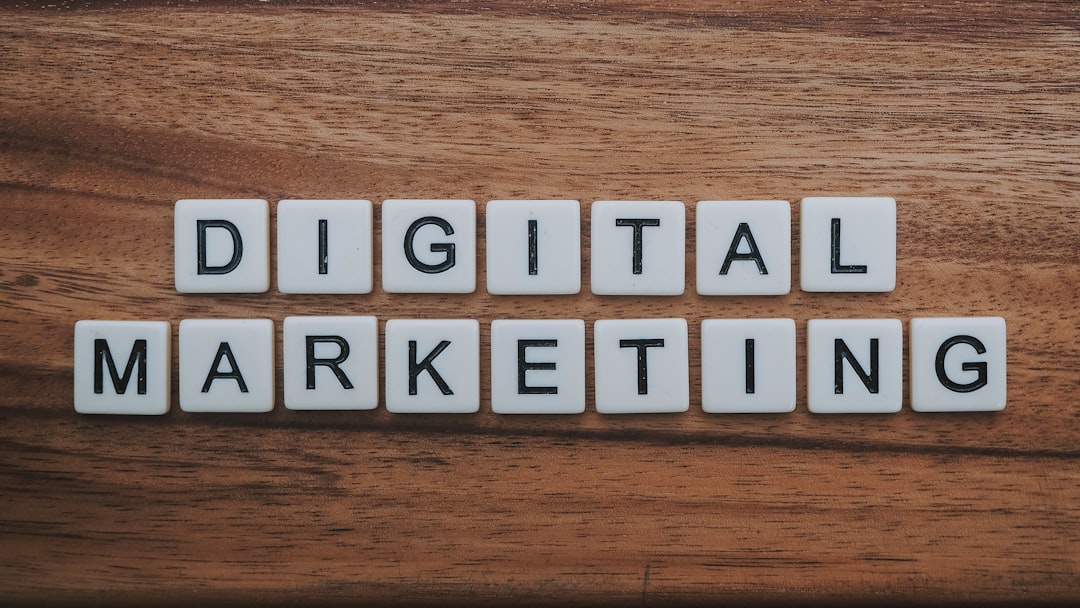
By 2026, global digital ad spending is projected to surpass $835 billion. That staggering figure tells us something important: the brands that win tomorrow are the ones adapting today. If you’re still running your marketing playbook from 2023, you’re essentially bringing a flip phone to a smartphone fight.
This guide breaks down the top 10 digital marketing trends for 2026 that every marketer, founder, and strategist needs to understand — not just theoretically, but practically. These aren’t vague predictions. They’re shifts already gaining momentum, and ignoring them could cost you market share.
1. Generative AI Moves From Assistant to Architect
We’ve all experimented with AI-generated copy and images. But in 2026, generative AI won’t just help you draft a blog post — it will architect entire campaign strategies. Think of it like the difference between a calculator and a financial advisor.
Platforms like Google and Meta are already embedding AI directly into their ad creation tools. Expect AI to handle audience segmentation, creative testing, and budget allocation simultaneously. The marketers who thrive will be those who learn to direct AI rather than compete with it.
2. The Death of Third-Party Cookies Finally Arrives
Google has delayed the cookie deprecation timeline multiple times, but the writing is on the wall. By 2026, third-party cookies will be functionally irrelevant across major browsers. Brands relying on retargeting through cookie-based tracking will face a reckoning.
The replacement? First-party data strategies built on trust. Companies like Patagonia and Nike have already invested heavily in loyalty ecosystems that collect data directly from customers — with full consent. If you haven’t started building your own data moat, you’re already behind.
3. Voice and Conversational Search Reshape SEO
Nearly 60% of consumers now use voice assistants weekly, and that number keeps climbing. In 2026, optimizing for voice search won’t be optional — it will be fundamental to visibility.
Voice queries tend to be longer and more conversational. Instead of typing “best CRM software,” someone asks, “What’s the best CRM for a small team that needs email integration?” This means:
- Content must answer specific, natural-language questions
- Featured snippet optimization becomes critical
- Schema markup and structured data take center stage
4. Privacy-First Marketing Becomes a Competitive Advantage
Consumers are tired of feeling surveilled. Regulations like GDPR, CCPA, and emerging laws in Brazil, India, and Australia are tightening the compliance landscape. But here’s the twist: privacy isn’t just a legal requirement anymore — it’s a brand differentiator.
Apple leaned into privacy messaging and saw massive consumer loyalty gains. In 2026, expect more brands to make transparent data practices part of their core value proposition. The ones that do will earn deeper trust — and trust converts.
5. Short-Form Video Evolves Into Shoppable Experiences
TikTok, Instagram Reels, and YouTube Shorts have dominated attention for years. The next evolution? These platforms are becoming storefronts. Shoppable video — where viewers purchase products without leaving the content — is exploding.
China’s livestream commerce market already exceeds $500 billion. Western markets are catching up fast. By 2026, brands that blend entertainment with frictionless purchasing inside short-form video will capture disproportionate revenue.
6. Hyper-Personalization Powered by Predictive Analytics
Generic email blasts are dead. In 2026, customers expect brands to anticipate their needs before they articulate them. Predictive analytics tools will analyze behavioral patterns and serve content, offers, and recommendations with surgical precision.
Imagine a fitness brand that notices a customer’s running shoe purchase cycle is roughly every six months. At month five, they receive a personalized email featuring the latest model in their preferred color and size. That’s not creepy — that’s helpful. And it drives loyalty.
Tools Leading This Shift
- Customer Data Platforms (CDPs) like Segment and Treasure Data
- AI-powered email platforms like Klaviyo and Braze
- Behavioral analytics tools like Amplitude and Mixpanel
7. Community-Led Growth Replaces Influencer Saturation
Influencer marketing isn’t dying, but it is maturing. Audiences are growing skeptical of paid endorsements. The smarter play in 2026 is investing in authentic communities — spaces where customers advocate for your brand organically.
Look at how Notion built a global ambassador network or how Glossier turned customers into co-creators. Community-driven brands don’t just acquire customers; they build ecosystems that generate content, feedback, and referrals simultaneously.
8. AI-Generated Search Results Transform Content Strategy
Google’s Search Generative Experience and similar AI-powered answer engines are fundamentally changing how users consume search results. Instead of clicking through ten blue links, users receive synthesized answers directly.
For marketers, this means:
- Ranking on page one isn’t enough — your content needs to be citation-worthy
- Topical authority and expertise signals (E-E-A-T) matter more than ever
- Long-form, deeply researched content outperforms shallow keyword-stuffed pages
9. Augmented Reality Advertising Goes Mainstream
AR is no longer a novelty reserved for Snapchat filters. In 2026, augmented reality will be a standard tool in the digital marketer’s arsenal. IKEA’s Place app — which lets customers visualize furniture in their homes — was an early success story. Now, beauty brands, automotive companies, and even real estate firms are adopting AR-powered try-before-you-buy experiences.
Meta and Apple’s investments in mixed-reality hardware are accelerating this trend. If your product can be visualized, expect AR to become a conversion-driving channel.
10. Sustainability Messaging Backed by Verifiable Action
Greenwashing backlash has made consumers deeply cynical about corporate sustainability claims. In 2026, marketing environmental commitments without verifiable proof will damage your brand faster than saying nothing at all.
Blockchain-verified supply chain transparency, third-party certifications, and real-time carbon tracking dashboards are emerging as credibility tools. Brands like Allbirds publish detailed carbon footprint data for every product. That level of radical transparency will become the baseline expectation.
Practical Takeaways to Prepare Now
Understanding these shifts is one thing. Acting on them is another. Here’s a concise action plan:
- Audit your data strategy. If you’re overly dependent on third-party data, start building first-party collection mechanisms immediately.
- Invest in AI literacy. Your marketing team doesn’t need to code, but they need to understand how to prompt, evaluate, and optimize AI outputs.
- Create community infrastructure. Launch a Discord server, private forum, or ambassador program before your competitors do.
- Prioritize video commerce. Test shoppable video formats on at least one platform this quarter.
- Redesign content for AI search. Structure articles to directly answer questions, use clear headings, and provide expert-level depth.
The Bottom Line
The top 10 digital marketing trends for 2026 share a common thread: they reward brands that prioritize authenticity, intelligence, and customer respect over shortcuts and spray-and-pray tactics. The playbook is shifting from interruption to invitation, from assumption to anticipation.
The marketers who embrace these changes proactively won’t just survive — they’ll define the next era of digital engagement. Start experimenting today, because 2026 is closer than your editorial calendar suggests.
Previous Post
Next Post





Advertisement
