Now Reading: Startup Battlefield 200 Applications Now Open for $100K Priz
-
01
Startup Battlefield 200 Applications Now Open for $100K Priz
Startup Battlefield 200 Applications Now Open for $100K Priz
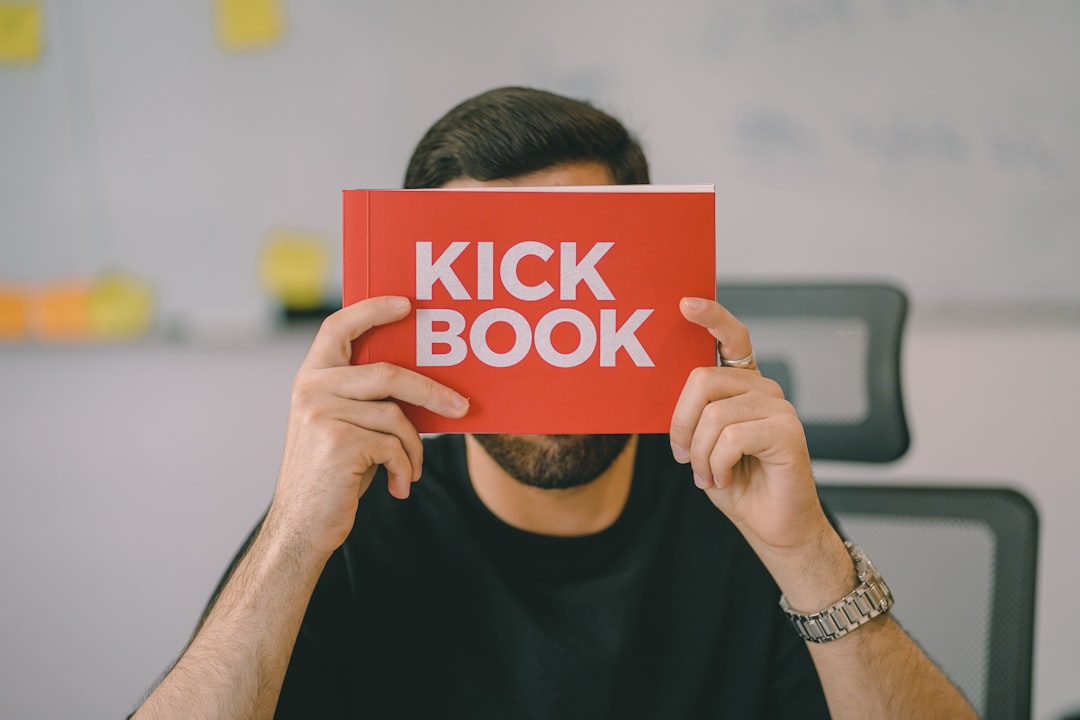
TechCrunch's Startup Battlefield 200 is accepting applications until May 27, offering selected founders a chance at $100,000 in equity-free prize money, direct VC access, and major editorial coverage. Here's what founders need to know and why this opportunity matters in today's funding landscape.
TechCrunch Opens the Door for Its Flagship Startup Competition
For early-stage founders hunting for their breakthrough moment, one of the tech industry’s most prestigious launch platforms just opened its gates. TechCrunch’s Startup Battlefield 200 is now accepting applications, giving ambitious teams a shot at $100,000 in prize money, direct access to top-tier venture capital investors, and coveted editorial coverage from one of technology journalism’s most influential outlets.
The deadline to submit your application is May 27, which means founders have a narrow window to make their case. Whether you’re building the next category-defining AI tool, a breakthrough in climate tech, or a fintech platform that’s rewriting the rules, this is the kind of stage that can reshape a company’s trajectory overnight.
What Exactly Is Startup Battlefield 200?
Startup Battlefield is TechCrunch’s long-running competition designed to identify, showcase, and accelerate the most promising early-stage companies in the world. The format has evolved over the years, but the core premise remains the same: give founders a high-profile platform to pitch their vision in front of expert judges, seasoned investors, and a massive global audience.
The “200” refers to the cohort size — two hundred startups will be selected from the applicant pool to participate. From that group, companies compete through live pitch rounds, with judges evaluating everything from market opportunity and product-market fit to team strength and execution capability.
Here’s what selected participants stand to gain:
- $100,000 equity-free prize — The grand prize winner walks away with six figures, no strings attached.
- Direct VC access — Participants get face time with partners at leading venture capital firms who are actively deploying capital.
- TechCrunch editorial coverage — Being featured on TechCrunch remains one of the most powerful signals a young startup can send to the market.
- Peer network — Joining a cohort of 200 vetted founders creates lasting relationships and potential collaboration opportunities.
Anyone can nominate a startup they believe deserves the spotlight, but nominees will still need to complete the full application themselves before the May 27 cutoff.
Why This Matters More Than Ever in 2025
The fundraising landscape has shifted dramatically over the past two years. After the exuberance of 2021 and the correction that followed, venture capital has become more disciplined and selective. According to Crunchbase data, global venture funding in 2024 remained below 2021 peaks, and early-stage founders have felt the squeeze most acutely.
In this environment, the chance to stand on a stage like Startup Battlefield carries even greater weight. It’s not just about the prize money — though $100K of non-dilutive capital is nothing to dismiss for a pre-seed or seed-stage company. It’s about the signal. Being selected for the top 200 tells investors, potential customers, and future hires that an independent panel of experts sees something real in what you’re building.
If you’re exploring ways to strengthen your fundraising strategy, our breakdown of MaxToki: The AI That Predicts How Your Cells Age covers the fundamentals every founder should know before walking into a pitch room.
The Alumni Effect
The historical track record of Startup Battlefield alumni speaks for itself. Companies like Dropbox, Mint, Cloudflare, and Vurb (acquired by Snapchat) all launched or gained critical early momentum through the competition. Dropbox’s famous 2008 Battlefield demo remains a case study in effective product storytelling — Drew Houston showed a working product, kept it simple, and let the utility sell itself.
More recently, alumni from various Battlefield cohorts have gone on to raise hundreds of millions in follow-on funding. The platform functions as a credibility accelerator: it compresses months of networking, outreach, and brand-building into a single high-impact event.
Who Should Apply?
TechCrunch has historically cast a wide net in terms of sectors and stages, but the competition tends to favor companies that meet a few key criteria:
- Early-stage with a working product — Idea-stage companies rarely make the cut. Judges want to see a functioning prototype or an early product with initial traction.
- Large addressable market — The Battlefield stage rewards companies going after meaningful problems at scale.
- Strong founding team — Technical depth, domain expertise, and clear role definition between co-founders all matter.
- Compelling narrative — This is a pitch competition at its core. The ability to distill your vision into a tight, engaging story is essential.
Sectors seeing particular investor enthusiasm right now include artificial intelligence infrastructure, enterprise software, healthcare technology, and sustainability-focused ventures. That said, category-defying startups with a clear value proposition have historically performed well regardless of sector.
For those still refining their pitch decks, our resource on MaxToki: The AI That Predicts How Your Cells Age breaks down the essential slides and storytelling frameworks investors respond to.
The Broader Competitive Landscape
Startup Battlefield isn’t the only game in town, of course. Programs like Y Combinator, Techstars, and various regional accelerators all offer funding and mentorship. What sets Battlefield apart is the combination of media exposure and investor density concentrated into a single event. Few other platforms can match TechCrunch’s audience reach or the caliber of judges who typically participate.
That said, savvy founders often pursue multiple avenues simultaneously. Applying to Battlefield doesn’t preclude participation in accelerator programs, and the visibility from one can reinforce credibility in the other.
What Happens Next
With applications closing on May 27, the TechCrunch team will begin the curation process shortly after. Selection is competitive — thousands of startups typically apply for the 200 available spots. Founders should expect to hear back within weeks of the deadline.
For those who make the cut, the real work begins: refining pitches, preparing for live demos, and strategizing around investor meetings that could define the next chapter of their company. The Battlefield stage has a way of concentrating pressure and opportunity into a single moment, and the founders who prepare most deliberately tend to extract the most value.
The Bottom Line for Founders
Opportunities like Startup Battlefield 200 don’t come around often, and the asymmetry of the potential outcome makes the application effort a no-brainer. Even if your startup isn’t selected, the exercise of articulating your vision, market, and traction in a structured application has standalone value. For those who do earn a spot, the combination of $100K in capital, VC access, and TechCrunch coverage represents one of the most concentrated launchpads available to early-stage founders anywhere in the world.
If you’ve been waiting for the right moment to step into the spotlight, May 27 is your deadline. Don’t let it pass quietly.
Previous Post
Next Post
Advertisement