Now Reading: NASA Shares Artemis II Crew’s iPhone Shots From Space
-
01
NASA Shares Artemis II Crew’s iPhone Shots From Space
NASA Shares Artemis II Crew’s iPhone Shots From Space
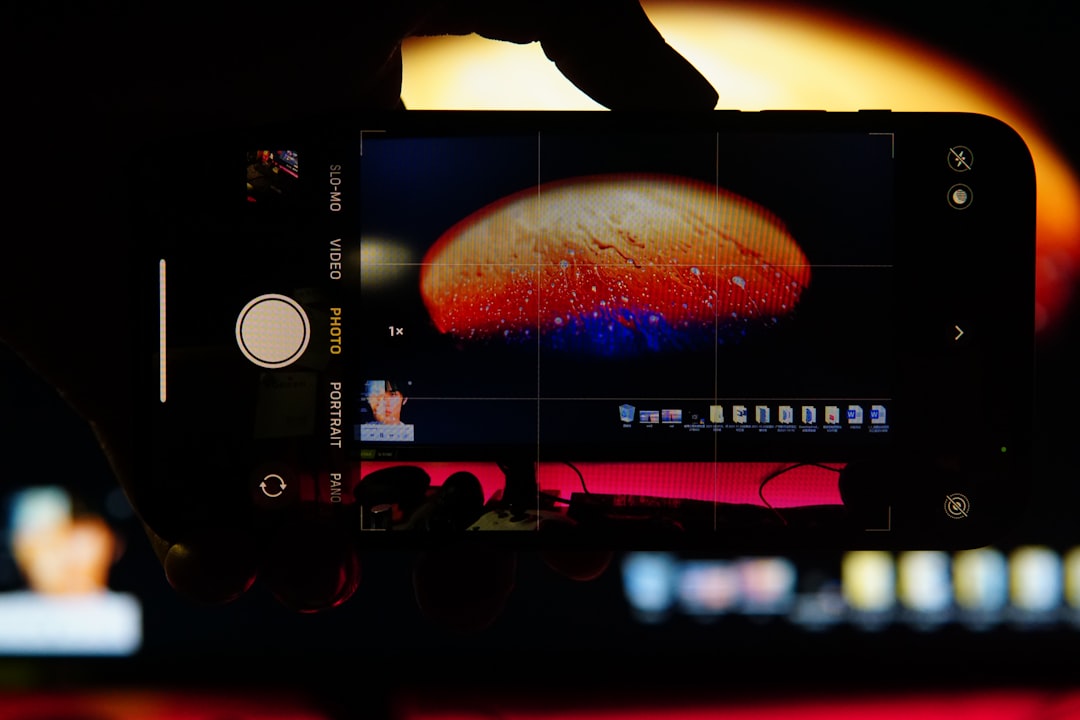
NASA has released stunning photos taken by the Artemis II crew using iPhones during humanity's first deep-space mission in over 50 years. The images highlight how consumer technology is reshaping space photography and public engagement with exploration beyond Earth.
A smartphone — the same device you use to snap photos of your lunch — just captured breathtaking imagery of Earth from lunar orbit. NASA shares Artemis II crew’s iPhone shots from space, and the results are equal parts jaw-dropping and surprisingly relatable. For the first time in over five decades, humans have ventured beyond low Earth orbit, and they brought consumer-grade technology along for the ride.
In this article, we’ll break down what the Artemis II crew captured, why Apple’s hardware performed remarkably well in the harsh environment of deep space, and what this milestone means for both space exploration and everyday photography technology.
The Artemis II Mission: Humans Return to Deep Space
The Artemis II mission marks humanity’s first crewed journey beyond low Earth orbit since Apollo 17 in 1972. Astronauts Reid Wiseman, Victor Glover, Christina Koch, and Canadian Space Agency astronaut Jeremy Hansen are aboard the Orion spacecraft, looping around the Moon before returning home.
This isn’t just a symbolic victory lap. The mission serves as a critical shakedown cruise for the hardware and systems that will eventually land humans on the lunar surface during Artemis III. Every piece of equipment aboard — from life support to communication arrays — is being stress-tested in real operational conditions.
But amid the sophisticated engineering, it’s the crew’s personal iPhone photos that have stolen the spotlight online.
What the iPhone Photos Actually Show
The images released by NASA depict Earth as seen from distances that very few human eyes have ever witnessed firsthand. Vivid blues of the oceans, swirling cloud formations, and the impossibly thin atmosphere hugging the planet’s curve are all rendered with striking clarity.
What makes these photos remarkable isn’t just their beauty — it’s their origin. These weren’t captured with NASA’s specialized imaging systems or multi-million-dollar cameras. They were taken on iPhones, the same consumer devices carried by billions of people worldwide.
Some of the standout shots include:
- Full-disk Earth views showing entire continents bathed in sunlight
- Atmospheric limb shots capturing the razor-thin line between breathable air and the void of space
- Interior cabin photos offering a candid look at life aboard Orion
- Lunar approach imagery showing the Moon’s cratered surface growing larger through the spacecraft’s windows
The crew reportedly used the iPhone’s standard camera app with minimal adjustments, relying on computational photography features that Apple has refined over years of development. If you’re interested in how smartphone cameras have evolved, check out our coverage on AutoAgent: Open-Source Library That Lets AI Optimize Itself.
Why Consumer Tech in Space Is a Bigger Deal Than You Think
It’s tempting to treat this as a fun novelty — astronauts snapping selfies, essentially. But there’s a deeper story here about how consumer electronics are closing the gap with specialized space hardware.
Historically, photography in space required purpose-built equipment. The Hasselblad cameras used during the Apollo missions were extensively modified to handle temperature extremes, radiation exposure, and vacuum conditions. They cost a fortune, and only trained operators could use them effectively.
Today’s iPhones pack computational photography engines that automatically adjust for lighting, reduce noise, and stitch together multiple exposures in milliseconds. The neural processing that happens behind each shutter tap is genuinely sophisticated — arguably more advanced in its image processing than anything available to Apollo-era photographers.
Radiation and Hardware Durability
One legitimate question is how well consumer electronics hold up outside Earth’s protective magnetosphere. Deep space exposes devices to cosmic radiation that can cause bit-flips in memory and degrade sensors over time. The Orion spacecraft provides substantial shielding, but the iPhones are still operating in a far harsher radiation environment than they were designed for.
The fact that they performed without visible artifacts or failures — at least based on the released images — speaks to both Apple’s hardware resilience and the relatively short duration of the mission’s exposure to deep-space radiation.
The Cultural Impact of Casual Space Photography
When the Apollo astronauts brought back photographs of Earth, those images fundamentally shifted public consciousness. The famous “Blue Marble” and “Earthrise” photos are widely credited with galvanizing the environmental movement. They made our planet’s fragility visceral and undeniable.
The Artemis II iPhone photos carry a different but equally powerful message: space is becoming more accessible, more human, and less alien. When astronauts capture images on the same device sitting in your pocket right now, the psychological distance between “us down here” and “them up there” collapses.
This kind of relatability matters enormously for public engagement. NASA has historically struggled to maintain broad public interest between marquee missions. Casual, shareable content — the kind that thrives on social media — helps sustain attention and, ultimately, political support for continued funding.
For more on how space agencies are leveraging social media, see our post on AutoAgent: Open-Source Library That Lets AI Optimize Itself.
Apple’s Quiet Win in the Space Race
Let’s not overlook the marketing goldmine Apple is sitting on. Having your product used — and publicly showcased — by NASA astronauts in deep space is the kind of brand validation that money literally cannot buy through traditional advertising.
Apple hasn’t made any official statements at the time of writing, but it’s hard to imagine the company’s marketing team isn’t paying close attention. The iPhone has been used aboard the International Space Station before, but those deployments were in low Earth orbit — well within the planet’s protective magnetic field. Deep space is an entirely different proving ground.
This also raises intriguing possibilities for future missions. If consumer smartphones can reliably capture high-quality imagery in deep space, mission planners might increasingly incorporate them as lightweight, versatile backup imaging systems. They’re compact, intuitive, and require zero specialized training.
What This Means for Future Artemis Missions
Artemis II is fundamentally a test flight — a dress rehearsal for the more ambitious landings that will follow. But the success of iPhone photography aboard Orion has implications that extend beyond this single mission:
- Documentation flexibility: Crew members can capture spontaneous moments without waiting for access to dedicated imaging equipment.
- Public engagement: Near-real-time sharing of consumer-quality photos makes space missions feel immediate and personal.
- Technology validation: Proving that off-the-shelf electronics function in deep space reduces costs and complexity for future missions.
- Scientific supplementation: While not replacing calibrated instruments, smartphone images can provide useful supplementary data for Earth observation and spacecraft inspection.
As Space.com and other major outlets have noted, the Artemis program is deliberately designed to be more inclusive and publicly visible than its predecessors. The iPhone photos are a perfect embodiment of that philosophy.
Final Thoughts: A Small Tap for the Shutter, a Giant Leap for Consumer Tech
When NASA shares Artemis II crew’s iPhone shots from space, it’s more than a cool photo dump. It’s a statement about where technology stands in 2025 — a world where the device in your jeans can produce publication-worthy images from a quarter million miles away.
These photographs will likely become iconic in their own right, not because of their technical perfection, but because of what they represent: the democratization of the space experience. The cosmos is no longer visible only through the lenses of specialized equipment operated by a select few. It’s now accessible through the same glass and silicon that captures birthday parties and sunsets.
Keep watching this space — quite literally. As Artemis III approaches and lunar landings become reality again, expect even more stunning imagery captured on hardware you already own. The golden age of space photography isn’t returning — it’s being reinvented.
Previous Post
Next Post

Advertisement