Now Reading: Iran’s Deadly Attack On US Tech Giants: What You Must Know
-
01
Iran’s Deadly Attack On US Tech Giants: What You Must Know
Iran’s Deadly Attack On US Tech Giants: What You Must Know
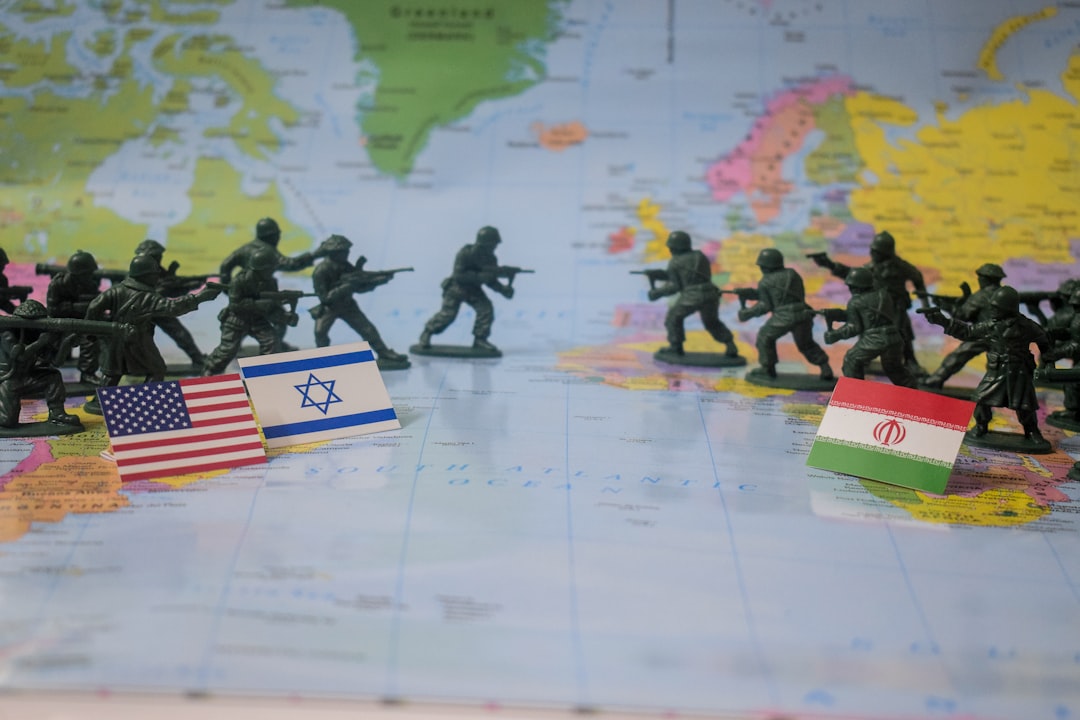
Iran's sustained cyber campaigns against major American technology companies pose serious risks for the media community. This post explores the threat landscape, notable incidents, and practical steps media professionals must take to protect their operations and sources.
In 2023, the FBI disclosed that state-sponsored cyber intrusions originating from Iranian-linked groups surged by over 40% compared to the previous year. That statistic alone should make every media professional sit up and pay attention. When geopolitical tensions spill into the digital arena, the consequences ripple far beyond government corridors — they land squarely on the servers, platforms, and intellectual property of America’s most influential technology companies.
Iran’s deadly attack on US tech giants isn’t a single headline-grabbing event. It’s a sustained, evolving campaign that has quietly reshaped how Silicon Valley thinks about national security, infrastructure resilience, and the very nature of modern warfare. Let’s unpack what’s actually happening, why it matters to the media community, and what steps professionals should be taking right now.
The Escalating Cyber Battlefield Between Tehran and Silicon Valley
For more than a decade, Iranian cyber units — including groups tracked under names like APT33, APT34, and Charming Kitten — have systematically probed and attacked American technology firms. Their targets aren’t random. They focus on companies that control cloud infrastructure, social media platforms, semiconductor supply chains, and enterprise software.
Think of it like this: if traditional warfare targets bridges and power stations, cyber warfare targets the digital equivalents. And in the 21st century, those digital bridges happen to be owned by companies headquartered in San Jose, Seattle, and Austin.
What makes Iran’s deadly attack on US tech giants particularly dangerous is the sophistication of the operations. Early campaigns relied on rudimentary phishing emails and brute-force password attacks. Today, Iranian-linked operators employ zero-day exploits, supply chain compromises, and social engineering campaigns so refined they’ve fooled seasoned cybersecurity professionals.
Why Tech Companies Are Prime Targets
There’s a strategic logic behind targeting technology firms rather than, say, financial institutions or military contractors directly. Consider these factors:
- Data troves: Major tech companies store billions of user records, including communications metadata, location histories, and behavioral patterns that intelligence agencies covet.
- Infrastructure leverage: Compromising a cloud provider or enterprise software vendor can grant access to thousands of downstream organizations — including government agencies and defense contractors.
- Reputational damage: A successful breach of a major American tech firm sends a geopolitical signal, demonstrating capability and undermining confidence in US digital dominance.
- Intellectual property theft: Emerging technologies in AI, quantum computing, and semiconductor design represent decades of R&D investment that adversaries can leapfrog by stealing.
The calculus is straightforward. One well-placed intrusion into a tech giant can yield more strategic value than a hundred conventional espionage operations.
Notable Incidents That Shaped the Current Landscape
While many operations remain classified or undisclosed, several publicly documented incidents illustrate the scope of the threat.
The 2019-2020 Cloud Provider Infiltrations
Between 2019 and 2020, Microsoft publicly attributed a wave of attacks against its cloud customers to an Iranian group known as Phosphorus. The attackers targeted email accounts belonging to journalists, political activists, and former government officials. The campaign demonstrated a willingness to weaponize commercial platforms as intelligence-gathering tools.
Social Media Influence Infrastructure
In 2018, Facebook and Twitter simultaneously removed hundreds of accounts linked to Iranian information operations. These weren’t simply fake profiles sharing propaganda — they were elaborate networks designed to mimic legitimate media outlets, complete with fabricated journalist personas and plagiarized content. For the media community, this was a wake-up call about how easily trust ecosystems can be infiltrated.
The SolarWinds Ripple Effect
While the SolarWinds attack was primarily attributed to Russian actors, the incident exposed supply chain vulnerabilities that Iranian groups quickly learned from. Cybersecurity researchers noted a marked uptick in Iranian supply chain reconnaissance activities in the months following the SolarWinds disclosure — a textbook example of adversarial learning in real time.
What This Means for Media Professionals
Iran’s deadly attack on US tech giants carries direct implications for anyone working in media, journalism, or digital content creation. Here’s why:
- Source protection is under siege. If the platforms journalists use for encrypted communication are compromised, confidential sources face exposure. This chills investigative reporting at its root.
- Disinformation blends with hacking. Iranian operations increasingly combine data breaches with coordinated influence campaigns. Stolen information gets selectively leaked and amplified through fake media outlets, making verification exponentially harder.
- Platform reliability is no longer guaranteed. When major tech infrastructure faces sustained attack, the tools media companies rely on — from cloud hosting to content delivery networks — become potential points of failure.
The media community can no longer treat cybersecurity as someone else’s problem. It’s now an editorial concern, a business continuity issue, and an ethical obligation.
Practical Steps for Staying Ahead of the Threat
Awareness without action is just anxiety. Here are concrete steps media professionals and organizations should implement:
- Adopt hardware security keys: Phishing-resistant authentication methods like YubiKeys dramatically reduce the risk of account compromise, even against sophisticated state-sponsored attackers.
- Segment sensitive communications: Don’t rely on a single platform for all confidential interactions. Use purpose-built tools like Signal for source communications and keep them separate from everyday workflows.
- Conduct regular threat briefings: Partner with organizations like the Committee to Protect Journalists or the Digital Forensic Research Lab that provide tailored threat intelligence for media professionals.
- Audit your supply chain: Know which third-party tools and services your organization depends on. If a vendor is breached, you need a contingency plan ready — not a scramble.
- Invest in digital literacy training: Every team member, from interns to editors-in-chief, should understand basic social engineering tactics. The human element remains the weakest link in any security architecture.
The Bigger Picture: Cyber Conflict as the New Normal
It would be a mistake to view Iran’s deadly attack on US tech giants as an isolated chapter. What we’re witnessing is the normalization of cyber operations as a primary instrument of statecraft. Iran is far from the only actor — China, Russia, and North Korea all maintain aggressive cyber programs targeting American technology firms.
But Iran’s approach is distinctive. Operating under heavy economic sanctions and with a smaller conventional military footprint, Tehran has invested disproportionately in asymmetric digital capabilities. Cyber operations offer a high reward-to-risk ratio: significant strategic impact with plausible deniability and minimal physical exposure.
For the media community, this new reality demands a fundamental shift in how we think about security, trust, and resilience. The firewalls that matter most aren’t just technical — they’re cultural. Organizations that cultivate security-aware mindsets across every level of their operation will be the ones best positioned to navigate what’s coming next.
Final Thoughts and a Call to Action
The intersection of geopolitics and technology has never been more volatile. Iran’s sustained campaigns against American tech infrastructure represent a clear and present challenge — not just for the companies under attack, but for every journalist, content creator, and media organization that depends on those platforms.
Don’t wait for the next major breach to make cybersecurity a priority. Start with one step today: review your authentication practices, brief your team on current threats, or reach out to a digital security organization for a vulnerability assessment. The threat is real, it’s ongoing, and your response matters.
Previous Post
Next Post


Advertisement