Now Reading: WordPress 7.0: AI Tools, New Admin & Design Controls
- 01
WordPress 7.0: AI Tools, New Admin & Design Controls
WordPress 7.0: AI Tools, New Admin & Design Controls
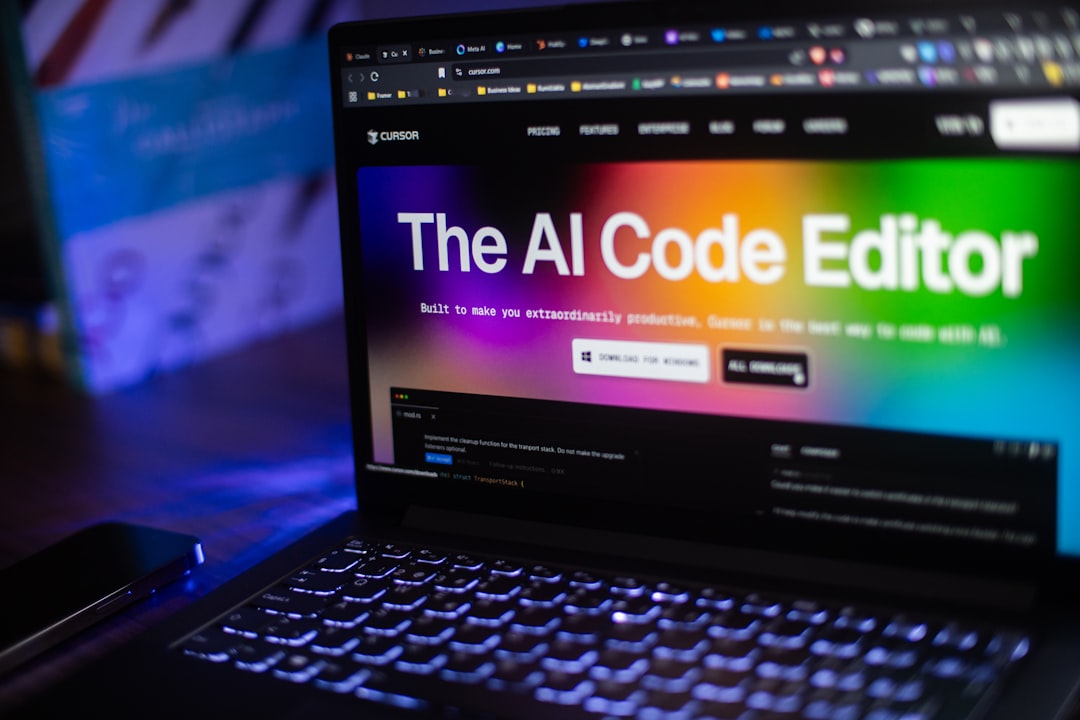
WordPress 7.0 marks a major milestone for the world's most popular CMS, introducing native AI tools, a redesigned admin dashboard, and expanded design controls. Here's what changed, why it matters, and what site owners should do next.
WordPress, the content management system that powers roughly 43% of all websites on the internet, is making its boldest leap forward in years. Version 7.0 brings a sweeping set of changes that touch nearly every corner of the platform — from an overhauled administrative dashboard to native artificial intelligence capabilities and a dramatically expanded suite of design controls. For the millions of developers, designers, and site owners who depend on WordPress daily, this release signals a clear strategic pivot toward the AI-powered future of web publishing.
What’s New in WordPress 7.0
The headline feature is the introduction of AI-powered tools baked directly into the WordPress core. Rather than forcing users to rely on third-party plugins for content generation, image optimization, or metadata suggestions, the platform now offers integrated intelligent assistance right inside the editor and dashboard.
But the AI capabilities are only part of the story. WordPress 7.0 also delivers:
- A completely reimagined admin interface — The backend experience has been modernized with cleaner navigation, contextual menus, and a streamlined workflow that reduces the number of clicks needed to accomplish common tasks.
- Advanced design controls — The Full Site Editor now includes granular typography settings, more flexible layout options, and a revamped style system that gives theme designers and non-technical users alike far more creative freedom without touching code.
- Performance improvements — Under the hood, the update brings faster page rendering, reduced database queries, and improved caching mechanisms that should benefit sites of every size.
- Accessibility upgrades — The new admin experience was built with WCAG 2.2 compliance as a priority, ensuring the dashboard is more usable for people with disabilities.
If you’ve been exploring how artificial intelligence is reshaping content platforms, our coverage of AI-Powered Content Creation: Smart Tools That Actually Work provides additional context on the broader industry trend.
Why This Update Matters
WordPress has faced mounting competitive pressure in recent years. Platforms like Squarespace, Wix, and Webflow have aggressively marketed their own AI-driven features, attracting users who want modern, low-friction website building without the plugin overhead that WordPress has historically required.
By embedding AI tools natively, WordPress is making a strategic bet that it can retain its massive user base while also attracting newcomers who expect intelligent assistance out of the box. The redesigned admin experience addresses one of the longest-standing criticisms of the platform: that the backend feels dated and cluttered compared to newer competitors.
For agencies and freelance developers, the expanded design controls are arguably just as significant. The ability to fine-tune typography, spacing, and layout behavior at the block level — without writing custom CSS — could dramatically reduce development time for client projects.
A Brief History of WordPress Evolution
Founded in 2003 by Matt Mullenweg and Mike Little, WordPress began as a simple blogging tool. Over two decades, it evolved into a full-fledged CMS capable of running everything from personal blogs to enterprise e-commerce platforms.
The introduction of the Gutenberg block editor in WordPress 5.0 (December 2018) was the last truly paradigm-shifting update. It replaced the classic TinyMCE editor with a modular, block-based system that laid the groundwork for Full Site Editing. Version 7.0 builds on that foundation, treating AI as the next natural layer in the editing experience rather than a bolted-on afterthought.
Industry Reactions and Expert Analysis
The WordPress developer community has responded with a mix of enthusiasm and cautious scrutiny. Many veteran developers have praised the admin overhaul, noting that the previous dashboard design hadn’t received a meaningful visual refresh in over a decade.
On the AI front, reactions are more nuanced. Some developers worry about data privacy implications — specifically, how user content is processed when AI suggestions are generated. Others see the native AI tools as a necessary evolution that reduces plugin bloat and the security vulnerabilities that come with it.
Industry analysts have pointed out that the timing is no coincidence. With TechCrunch and other major outlets reporting record investment in AI-powered SaaS tools throughout 2024 and into 2025, WordPress needed to demonstrate that it could keep pace with the broader market. The open-source model, combined with Automattic’s commercial backing, gives the platform a unique advantage: community-driven innovation at scale.
What Comes Next
Looking ahead, several developments are worth watching closely:
- Plugin ecosystem adaptation — Thousands of existing AI plugins will need to differentiate themselves or risk becoming redundant now that core functionality overlaps with their feature sets.
- Theme compatibility — The new design controls may require theme developers to update their products to take full advantage of the expanded style system.
- Enterprise adoption — Large organizations running WordPress at scale will likely evaluate the AI features carefully before deploying them in production environments, particularly in regulated industries.
- Community governance — As AI becomes more central to WordPress, the open-source community will need to navigate complex questions about which AI models are used, how data is handled, and who controls the decision-making.
For those managing multiple sites, our resource on Smart Miles: AI-Powered Trip Tracking Now Tax-Ready can help you assess which tools remain essential after this update.
The Bottom Line
WordPress 7.0 is more than a routine version bump. It represents a philosophical shift in how the world’s most popular CMS approaches content creation, site management, and visual design. By weaving AI tools into the core experience and modernizing the admin interface that millions of users interact with daily, the WordPress project is signaling that it intends to remain the dominant force in web publishing for years to come.
Whether you’re a solo blogger, a boutique agency, or an enterprise team, this is a release worth paying close attention to — and planning your upgrade path sooner rather than later.
Previous Post
Next Post


Advertisement