Now Reading: Claude Code Ultraplan: AI-Powered Codebase Planning
- 01
Claude Code Ultraplan: AI-Powered Codebase Planning
Claude Code Ultraplan: AI-Powered Codebase Planning
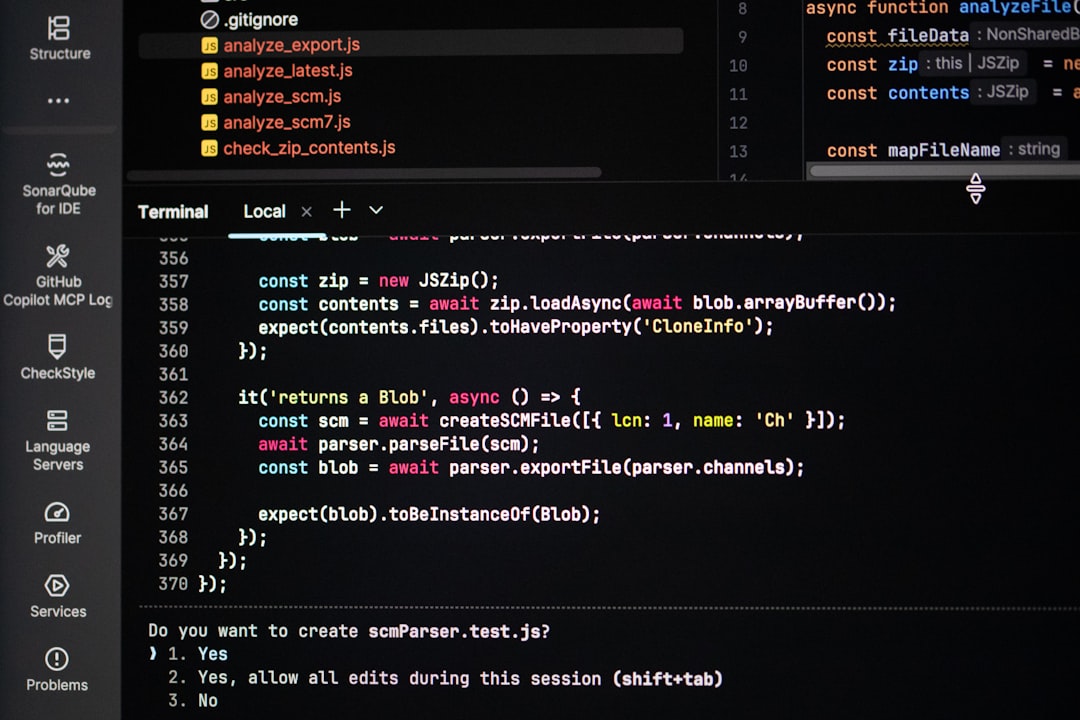
Anthropic's Claude Code has introduced ultraplan, a powerful command that performs cloud-based planning across entire codebases. This feature marks a significant evolution in AI coding tools, moving from simple code generation to holistic software architecture planning.
A New Way to Architect Software With AI
Anthropic’s Claude has quietly introduced a capability that’s generating serious buzz among developers: a specialized command within Claude Code called ultraplan that enables comprehensive, cloud-based planning of entire codebases. The feature represents a significant leap from simple code generation toward something far more ambitious — using artificial intelligence to think holistically about software architecture before a single line of production code is written.
The development has sparked active discussion across developer communities, with engineers debating what this kind of AI-assisted planning means for the future of software engineering workflows.
What Exactly Is Claude Code Ultraplan?
At its core, the ultraplan feature operates as a high-level directive within Claude Code, Anthropic’s command-line tool for AI-assisted development. Rather than simply generating code snippets or autocompleting functions, ultraplan takes a step back and analyzes the broader picture.
When a developer invokes the command, Claude processes the structure and intent of an entire project — or a substantial portion of one — and generates a detailed plan for how the codebase should be organized, extended, or refactored. This planning happens in the cloud, leveraging Anthropic’s powerful inference infrastructure to handle the computational demands of reasoning across thousands of files and dependencies.
Key aspects of the feature include:
- Whole-project reasoning: Instead of working file-by-file, ultraplan considers the relationships between modules, services, and components across the entire codebase.
- Cloud-powered computation: The heavy lifting occurs on Anthropic’s servers, meaning developers don’t need local GPU resources to benefit from deep architectural analysis.
- Actionable output: The resulting plans aren’t vague suggestions — they’re structured blueprints that map out implementation steps, dependency chains, and potential conflict points.
- Context-aware planning: The command understands existing code patterns and conventions within a project, ensuring its plans are consistent with what’s already been built.
Why This Matters for the Developer Ecosystem
The significance of ultraplan extends well beyond a single new feature. It signals a philosophical shift in how AI coding tools are evolving. For the past two years, most AI development assistants — including GitHub Copilot, Cursor, and earlier versions of Claude Code — have focused primarily on tactical code generation. Write a function here, debug an error there, suggest a test case.
Ultraplan moves into strategic territory. Planning a codebase requires understanding not just syntax and APIs, but software design principles, scalability considerations, and the tradeoffs between different architectural approaches. If you’ve been following our coverage of Claude AI: A Deep Dive Into Anthropic’s Powerful Assistant, you’ll know this kind of higher-order reasoning has been the missing piece for many teams evaluating these tools.
This is also notable because it positions Claude as a tool not just for individual developers but for engineering teams making architectural decisions. A well-structured plan can serve as a communication artifact — something a tech lead could share with their team, review, modify, and then execute against.
The Competitive Landscape Is Heating Up
Anthropic has been methodically expanding Claude’s capabilities in the developer tools space throughout 2025. The company launched Claude Code earlier this year as a terminal-based coding agent, and it quickly gained traction among developers who preferred its agentic approach over IDE-integrated alternatives.
The introduction of ultraplan puts additional pressure on competitors. OpenAI’s Codex and Google’s Gemini-powered coding tools have been improving rapidly, but neither has publicly demonstrated an equivalent feature that performs holistic codebase planning at this level. Microsoft-backed GitHub Copilot remains the market leader by user count, but its strengths have traditionally been in inline suggestions rather than project-wide strategy.
The AI coding tool market, valued at several billion dollars and growing rapidly, has become one of the most fiercely contested segments in enterprise software. Each new capability announcement shifts developer mindshare, and ultraplan is exactly the kind of differentiated feature that could pull engineers deeper into Claude’s ecosystem.
What Developers and Analysts Are Saying
Early reactions from the developer community have been a mix of excitement and cautious curiosity. On forums and social platforms, several recurring themes have emerged:
- Time savings potential: Senior engineers spend a disproportionate amount of time on planning and architecture reviews. If Claude can produce even a solid first draft of a project plan, the productivity gains could be enormous.
- Quality concerns: Some developers worry that AI-generated plans might look impressive on the surface but miss subtle design considerations that only come from deep domain experience.
- Workflow integration: The real test will be whether ultraplan’s output integrates smoothly into existing development workflows — sprint planning, code review processes, and CI/CD pipelines.
Industry analysts have noted that features like ultraplan reflect a broader trend: AI tools climbing the abstraction ladder. As TechCrunch and other publications have documented throughout 2025, the most impactful AI tools are increasingly operating at the design and strategy level rather than just execution.
What Comes Next
The trajectory here seems clear. If cloud-based codebase planning proves reliable and useful, expect Anthropic to deepen the feature with iterative refinement capabilities — allowing developers to have back-and-forth conversations about architectural decisions, explore alternative approaches, and simulate the impact of different design choices before committing to them.
There’s also a natural path toward integration with project management tools. Imagine ultraplan generating not just a technical blueprint but automatically creating Jira tickets, estimating timelines, and identifying which team members should own which components. That level of integration would move Claude from a developer tool into a full-fledged engineering operations platform.
For teams already invested in the Claude ecosystem, it’s worth exploring how ultraplan fits into your current workflows. And if you’re still evaluating which AI code assistant to adopt, our deep dive on AI Startup Rocket Offers Vibe McKinsey-Style Reports at a Fraction of the cost provides a broader comparison to help guide your decision.
The Bottom Line
Claude Code’s ultraplan command represents more than an incremental feature update — it’s a statement about where AI-assisted development is headed. The era of AI as a glorified autocomplete is giving way to something far more sophisticated: artificial intelligence that can reason about entire systems, generate actionable architectural plans, and serve as a genuine thought partner for software teams.
Whether ultraplan lives up to its ambitious promise will depend on real-world testing across diverse projects and team sizes. But the direction is unmistakable, and developers who aren’t paying attention to these shifts risk falling behind.
Previous Post
Next Post


Advertisement