Now Reading: Apple CarPlay 2.0: 5 Massive New Features Including ChatGPT
- 01
Apple CarPlay 2.0: 5 Massive New Features Including ChatGPT
Apple CarPlay 2.0: 5 Massive New Features Including ChatGPT
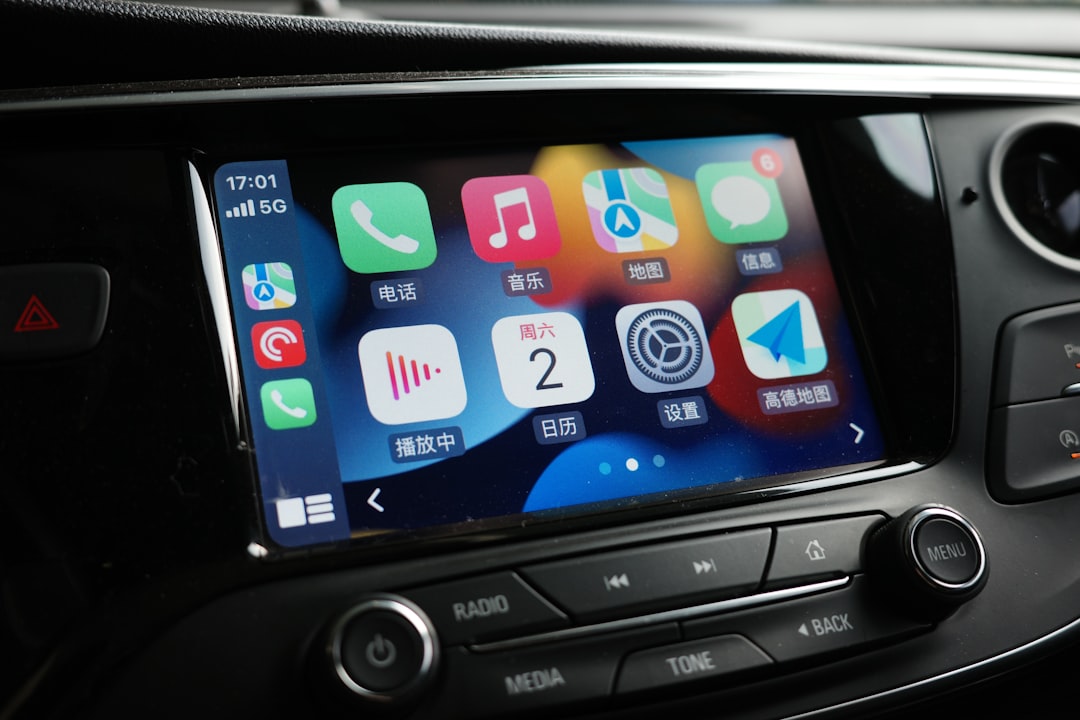
Apple CarPlay 2.0 introduces five game-changing features including native ChatGPT support, full instrument cluster integration, and deep vehicle controls. Here's a complete breakdown of what's coming and which cars will support it.
Your car’s dashboard is about to get a brain transplant. Apple has finally pulled the curtain back on the next generation of CarPlay, and it’s not just an incremental update — it’s a wholesale reimagining of what your vehicle’s screen can do. Among the headline features? Full native ChatGPT integration that turns your car into a conversational AI co-pilot.
Here’s everything you need to know about Apple CarPlay 2.0: 5 massive new features including native ChatGPT support, which automakers are on board, and why this matters far more than you might think.
Why CarPlay 2.0 Is a Bigger Deal Than It Sounds
The original CarPlay was essentially a mirror — it projected a simplified version of your iPhone onto your car’s infotainment screen. It worked, but it always felt like a guest in someone else’s house. The car’s native systems still controlled climate, gauges, and vehicle settings independently.
CarPlay 2.0 demolishes that wall entirely. Apple now wants to own every pixel on your dashboard, from the instrument cluster behind the steering wheel to the central touchscreen and even passenger displays. Think of it less as a phone projection and more as a full operating system for your vehicle.
This is a strategic masterstroke. With traditional automakers struggling to build compelling software experiences — and the automotive industry pouring billions into digital cockpits — Apple is positioning itself as the default interface layer between drivers and their cars. If you’ve ever been frustrated by a clunky factory infotainment system, you understand why this matters.
The 5 Massive New Features That Change Everything
Exploring the Advantages of Apple CarPlay 2.0
1. Native ChatGPT Integration
This is the showstopper. Apple is embedding ChatGPT directly into the CarPlay experience through its expanded Siri integration, powered by Apple Intelligence. Instead of barking rigid commands at a voice assistant that barely understands context, you can now have natural, flowing conversations with your car.
Ask it to find a restaurant that’s kid-friendly, has outdoor seating, and is within a 10-minute detour from your route — and it’ll actually understand. Need it to summarize a long email that just came in, draft a reply, and then read you the weather at your destination? Done. This isn’t a bolted-on chatbot; it’s AI woven into the driving experience at a foundational level.
For more on how Apple Intelligence is reshaping the ecosystem, check out our coverage on AI Agents Demand Better Governance Systems Now | 2026.
2. Full Instrument Cluster Takeover
For the first time, CarPlay extends beyond the center screen to render your speedometer, tachometer, fuel gauge, and other critical driving information. Apple has designed multiple gauge styles — from minimalist digital readouts to rich, analog-inspired dials — that adapt to different vehicle brands and driver preferences.
This is a massive leap because it means the driver never has to context-switch between Apple’s interface and the car manufacturer’s native UI. Every piece of visual information flows through a single, unified design language.
3. Deep Vehicle Function Control
Climate control. Heated seats. Drive modes. Ambient lighting. CarPlay 2.0 integrates directly with your car’s hardware systems, allowing you to adjust virtually everything from within the Apple interface. Previous versions could only dream of this level of access.
Apple is working with automakers through dedicated APIs, which means the integration should feel native rather than hacked together. Aston Martin, Porsche, and several other manufacturers have already confirmed compatibility — a signal that even premium brands see the value in letting Apple handle the software heavy lifting.
4. Adaptive, Multi-Display Architecture
Modern cars don’t just have one screen anymore. Some have three or four. CarPlay 2.0 is designed from the ground up to scale across multiple displays of varying sizes, resolutions, and aspect ratios. It intelligently distributes content — navigation on the cluster, media controls on the center screen, passenger entertainment on a secondary display.
This adaptive architecture is something even Tesla’s custom-built OS doesn’t handle with this level of sophistication. It’s Apple doing what Apple does best: making complex hardware fragmentation feel seamless. You can read about how Apple’s official CarPlay page describes the multi-display vision for more technical detail.
5. Real-Time Data Widgets and Smart Suggestions
Borrowing from the iPhone’s widget philosophy, CarPlay 2.0 introduces contextual widgets that surface relevant information at exactly the right moment. Approaching a toll? Your payment method appears automatically. Running low on fuel near an unfamiliar highway? Nearby stations pop up with live pricing.
Combined with ChatGPT’s contextual awareness, these smart suggestions feel less like notifications and more like having a thoughtful passenger who always knows what you need before you ask.
Which Cars Will Support CarPlay 2.0?
Apple has confirmed partnerships with several major automakers, including Porsche, Aston Martin, Lincoln, and others. However, the rollout will be gradual. Most support is expected in model year 2026 and beyond vehicles, though some manufacturers may deliver updates to newer existing models.
It’s worth noting that not every automaker is on board. The Verge and other outlets have reported that GM, for instance, has pulled away from CarPlay entirely to build its own ecosystem. The competitive dynamics here are fascinating — automakers must decide whether to embrace Apple’s superior software or protect their own data and customer relationships.
For a broader look at how AI is reshaping transportation, see our analysis of AI Agents Demand Better Governance Systems Now | 2026.
What This Means for Drivers Right Now
If you’re in the market for a new car, CarPlay 2.0 compatibility should absolutely be on your checklist. Here’s a quick rundown of practical takeaways:
- Don’t buy solely based on infotainment quality — if a car supports CarPlay 2.0, Apple’s software will replace most of the native experience anyway.
- Check manufacturer timelines — some brands are launching support in late 2025, others not until 2026 models arrive.
- iPhone 15 or newer recommended — Apple Intelligence features, including ChatGPT integration, require newer hardware and iOS 26.
- Privacy controls are built in — Apple has emphasized on-device processing for sensitive data, with explicit opt-in for ChatGPT queries.
The Bigger Picture: Apple’s Quiet Automotive Takeover
Apple may have shelved its own car project (codenamed Titan), but CarPlay 2.0 reveals a arguably smarter strategy. Why spend tens of billions manufacturing vehicles when you can own the most valuable real estate inside every car — the screens, the data, and the user experience?
With CarPlay installed in over 98% of new cars sold in the U.S. supporting some form of smartphone integration, Apple’s grip on the in-car experience is only tightening. The addition of generative AI through ChatGPT isn’t just a feature — it’s a statement of intent. Apple wants your car to feel like an extension of your iPhone, and with CarPlay 2.0, they’re closer than ever.
Keep an eye on WWDC25 and subsequent announcements for final rollout timelines. One thing is clear: the next time you sit behind the wheel, your dashboard might be the smartest screen you own.
Previous Post
Next Post
Advertisement