Now Reading: Anthropic Adds Extra Fees for Claude Code OpenClaw Usage
- 01
Anthropic Adds Extra Fees for Claude Code OpenClaw Usage
Anthropic Adds Extra Fees for Claude Code OpenClaw Usage
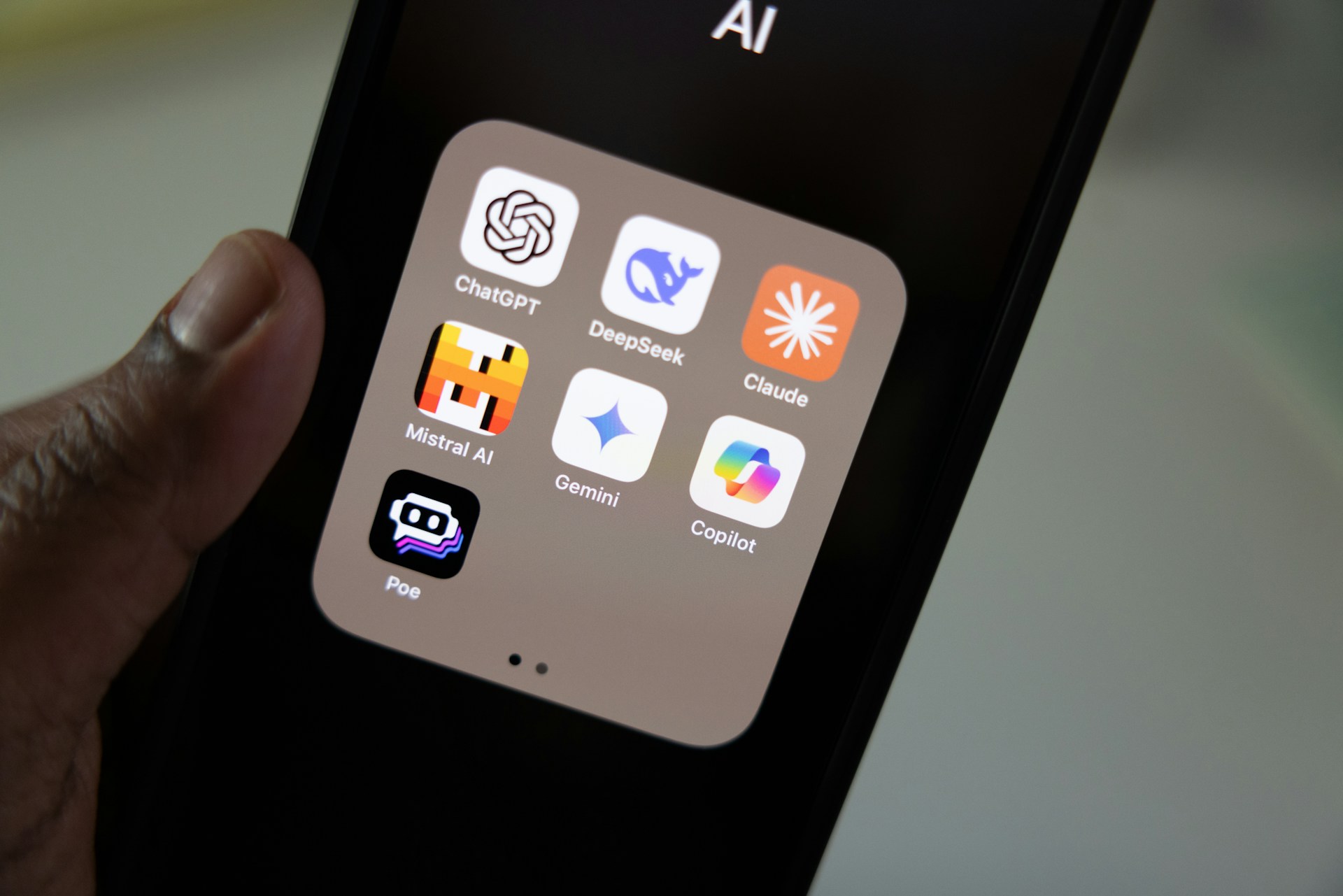
Anthropic has announced that Claude Code subscribers will need to pay additional fees to use OpenClaw and other third-party integrations. The pricing shift reflects growing compute costs and signals a broader trend toward modular pricing across the AI coding tools market.
Anthropic Introduces Additional Charges for Claude Code Users Accessing OpenClaw
Anthropic has announced that developers currently subscribed to Claude Code will soon face supplementary costs when integrating OpenClaw and select third-party tools into their workflows. The policy shift marks a notable change in the company’s pricing strategy and signals a broader trend across the AI industry: the era of bundled, all-inclusive access to coding assistants may be drawing to a close.
The announcement has sparked immediate discussion among the developer community, with many questioning whether the added expense is justified — and what it reveals about the economics of running large-scale AI infrastructure.
What Exactly Is Changing?
According to Anthropic, Claude Code subscribers who currently leverage OpenClaw — a framework that enables interoperability between AI coding assistants and external developer tools — will no longer have that access folded into their existing subscription. Instead, usage of OpenClaw and certain other third-party integrations will carry a separate fee.
While specific dollar amounts have not been publicly detailed at the time of reporting, the company says the pricing adjustment reflects the computational overhead and licensing complexities involved in supporting external tool ecosystems. Key details include:
- Existing Claude Code subscriptions will continue to cover core AI-assisted coding features.
- OpenClaw integration and compatible third-party tool usage will require an additional payment tier.
- Current subscribers can expect a transition period before the new pricing takes full effect.
- Anthropic says it will publish a detailed breakdown of the new cost structure in the coming weeks.
For developers who rely heavily on OpenClaw to bridge Claude’s capabilities with other platforms, this represents a meaningful increase in their monthly tooling budget.
Why This Matters for the Developer Ecosystem
This pricing decision from Anthropic doesn’t exist in a vacuum. It reflects a fundamental tension in the AI industry: the gap between what users expect to receive and what it actually costs companies to deliver advanced AI services at scale.
Running inference on large language models like Claude is extraordinarily expensive. Each query burns through GPU cycles, and when third-party integrations add additional API calls and data processing layers, those costs compound quickly. For a company that raised over $7 billion in funding through 2024, sustainable unit economics aren’t just a nice-to-have — they’re an existential priority.
The move also raises questions about interoperability standards in AI-powered development tools. If accessing external frameworks like OpenClaw becomes a premium feature, it could create friction in workflows that many code subscribers have come to depend on. For context on how these AI coding tools have evolved, check out our coverage of Claude AI: A Deep Dive Into Anthropic’s Powerful Assistant.
Background: Anthropic’s Rapid Rise in the AI Arms Race
Founded in 2021 by former OpenAI executives Dario and Daniela Amodei, Anthropic has positioned itself as a safety-focused alternative in the generative AI space. Its flagship Claude models have gained significant traction, particularly among enterprise customers and developers who value the company’s emphasis on responsible AI development.
Claude Code, the company’s dedicated coding assistant product, entered an increasingly crowded market that includes GitHub Copilot, Amazon CodeWhisperer, and Google’s Gemini Code Assist. Despite the competition, Claude Code carved out a loyal user base thanks to its strong performance on complex reasoning tasks and multi-file code generation.
OpenClaw, meanwhile, has emerged as a popular open framework that allows AI coding tools to interact with version control systems, CI/CD pipelines, and other developer infrastructure. Its growing adoption made it a natural integration target for Anthropic — but apparently not one the company can continue offering without passing costs along to users.
What Industry Analysts Are Saying
The reaction from the tech community has been mixed but largely unsurprised. Several industry observers have pointed out that the AI sector is entering a maturation phase where free or deeply subsidized features inevitably get repriced.
“Every major AI company is grappling with the same equation right now,” noted one venture capital analyst who tracks AI infrastructure investments. “The compute costs are real, and third-party integrations multiply them. Someone has to pay for it, and it was always going to be the end user eventually.”
Others have drawn parallels to the SaaS industry’s evolution in the 2010s, when companies like Salesforce and Slack gradually shifted from flat-rate plans to usage-based and modular pricing models. The consensus view is that Anthropic’s decision is less an outlier and more a leading indicator of where the entire AI tooling market is headed.
As TechCrunch and other outlets have reported, multiple AI companies are quietly reevaluating their pricing structures as they face pressure from investors to demonstrate viable paths to profitability.
What Comes Next for Claude Code Subscribers
For developers currently embedded in the Claude Code ecosystem, there are a few practical steps worth considering:
- Audit your OpenClaw usage. Understand how heavily your team relies on the integration before the new pricing kicks in.
- Evaluate alternatives. Depending on the final cost structure, it may be worth comparing competing coding assistants that bundle third-party integrations differently.
- Watch for the detailed pricing announcement. Anthropic says more specifics are forthcoming, so hold off on drastic changes until the numbers are clear.
- Budget accordingly. If your team’s workflow is deeply intertwined with OpenClaw, factor the additional cost into your quarterly tooling budget now.
It’s also worth keeping an eye on how competitors respond. If GitHub Copilot or other rivals choose to absorb similar integration costs to win market share, Anthropic could face competitive pressure to adjust. For a deeper look at how AI companies are navigating pricing challenges, see our analysis on AI-Powered Content Creation: Smart Tools That Actually Work.
The Bottom Line
Anthropic’s decision to charge Claude Code subscribers extra for OpenClaw access is a pragmatic move that reflects the harsh economic realities of scaling AI infrastructure. It won’t be popular with every developer, but it’s consistent with the industry’s broader shift toward sustainability-focused pricing.
The real question isn’t whether this pricing change is fair — it’s whether Anthropic can maintain its competitive edge while asking users to pay more. In a market where alternatives are just one subscription cancellation away, the margin for error is razor thin.
Previous Post
Next Post

Advertisement