Now Reading: Iran Conflict Expands to Tech & Infrastructure Targets
- 01
Iran Conflict Expands to Tech & Infrastructure Targets
Iran Conflict Expands to Tech & Infrastructure Targets
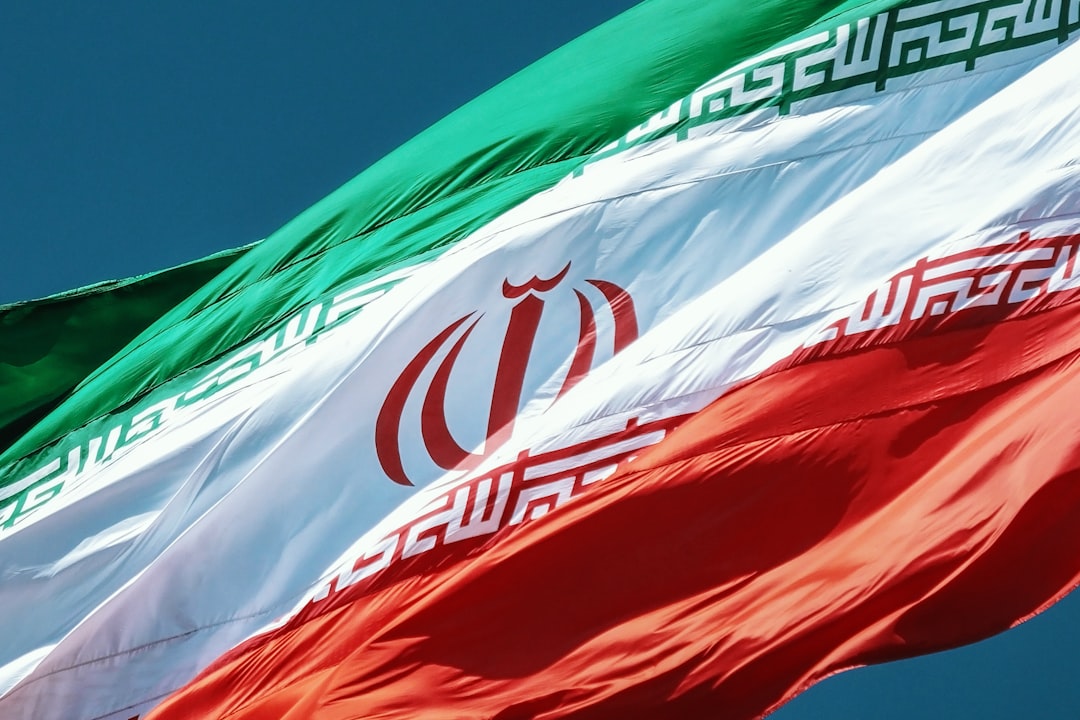
As geopolitical tensions grow, Iranian-linked cyber operations are increasingly targeting critical technology and infrastructure systems worldwide. This post explores the expanding threat landscape, the key actors involved, and practical steps organizations can take to defend themselves against state-sponsored digital warfare.
In the summer of 2012, a piece of malware called Shamoon wiped data from roughly 30,000 workstations at Saudi Aramco, replacing their contents with an image of a burning American flag. That attack, widely attributed to Iranian-linked actors, was considered one of the most destructive cyberattacks in history at the time. Fast forward to 2025, and it looks almost quaint by comparison.
As the Iran conflict expands to tech & infrastructure targets, the rules of modern warfare are being rewritten in real time. Physical battlefields now share strategic priority with server rooms, power grids, water treatment facilities, and telecommunications networks. If you care about cybersecurity, geopolitics, or simply keeping your lights on, this is the story you need to understand.
Why Digital Battlefields Are Replacing Physical Ones
Military strategists have long understood that you don’t need to destroy an enemy’s army if you can cripple the systems that army depends on. Cut off communications, disable logistics networks, and disrupt energy supplies — and conventional forces grind to a halt without a single shot being fired.
Iran has invested heavily in this doctrine. With a defense budget that pales in comparison to its regional rivals like Saudi Arabia and Israel, asymmetric warfare through cyber operations offers tremendous bang for the buck. A team of skilled hackers operating from a government office in Tehran can inflict damage that would otherwise require fighter jets and cruise missiles.
Think of it like a chess match where one player can’t afford the expensive pieces. Instead, they’ve learned to weaponize the pawns — and those pawns are everywhere, embedded in the digital infrastructure that modern nations depend on.
The Expanding Target List: What’s Now in the Crosshairs
The evolution here is significant. Earlier Iranian cyber campaigns largely focused on espionage — stealing intellectual property, gathering intelligence, and conducting surveillance. The shift toward actively disrupting and destroying infrastructure represents a dangerous escalation.
Here’s what’s currently being targeted:
- Energy grids and oil production systems: SCADA and industrial control systems at refineries and power plants have been probed repeatedly. A successful attack could cause physical damage to turbines and generators.
- Water treatment and distribution: In 2021, an attempted hack on a water treatment plant in Oldsmar, Florida demonstrated how vulnerable these systems are. Similar probing activity has been linked to Iranian-affiliated groups.
- Telecommunications infrastructure: Disrupting mobile networks and internet backbones can silence populations during critical moments, creating information blackouts.
- Financial systems: Between 2011 and 2013, Iranian hackers launched sustained DDoS attacks against major U.S. banks. Today’s capabilities go far beyond simple denial-of-service.
- Technology supply chains: By compromising software vendors and cloud service providers, attackers can gain access to thousands of downstream organizations in a single operation.
State-Sponsored Groups Leading the Charge
Understanding the threat requires knowing the players. Several Iranian-linked advanced persistent threat (APT) groups have become household names in cybersecurity circles.
APT33 (Elfin)
This group has historically focused on the aerospace and energy sectors. Their operations have targeted organizations in the United States, Saudi Arabia, and South Korea, often deploying custom-built wipers designed to permanently destroy data.
APT34 (OilRig)
Specializing in supply chain attacks and credential harvesting, APT34 has compromised government agencies and critical infrastructure operators throughout the Middle East. Their toolkits have grown increasingly sophisticated over the past three years.
MuddyWater
Linked to Iran’s Ministry of Intelligence and Security, MuddyWater conducts espionage campaigns that frequently serve as reconnaissance for more destructive follow-up operations. They’re the scouts — mapping the terrain before the heavy artillery arrives.
The Ripple Effect on the Global Tech Ecosystem
When the Iran conflict expands to tech & infrastructure targets, the consequences don’t stay regional. We live in an interconnected world where a disruption in one node cascades through the entire network.
Consider the SolarWinds attack of 2020. While that operation was attributed to Russia, it demonstrated how a single supply chain compromise can ripple across 18,000 organizations worldwide. Iranian groups are studying these playbooks and adapting them.
For multinational technology companies, this means:
- Increased insurance costs: Cyber insurance premiums have surged by over 50% in sectors considered high-risk for state-sponsored attacks.
- Regulatory pressure: Governments are mandating stricter cybersecurity reporting requirements, especially for operators of critical infrastructure.
- Talent wars: The demand for threat intelligence analysts and incident responders who understand state-level adversaries has never been higher.
- Geopolitical risk assessments: Tech firms now treat geopolitical monitoring as a core business function, not a footnote in quarterly reports.
How Organizations Can Protect Themselves
You don’t need a nation-state budget to defend against nation-state threats. The majority of successful cyberattacks still exploit fundamental security gaps. Here are practical steps every organization should prioritize:
- Segment your networks ruthlessly. If an attacker breaches your email server, they shouldn’t be able to reach your industrial control systems. Air gaps and micro-segmentation aren’t optional anymore.
- Assume breach and plan accordingly. Build incident response playbooks that account for destructive attacks, not just data theft. Practice tabletop exercises regularly.
- Monitor for lateral movement. Advanced adversaries spend weeks or months inside a network before executing their mission. Behavioral analytics and endpoint detection can catch them in the act.
- Harden your supply chain. Audit your third-party vendors. Require software bills of materials (SBOMs). Verify the integrity of every update before deploying it.
- Invest in threat intelligence. Subscribe to feeds from organizations like CISA, Mandiant, and Recorded Future that track Iranian APT activity specifically.
What Comes Next: Escalation or Deterrence?
The trajectory is concerning. Historically, cyber operations have escalated in tandem with kinetic tensions. When diplomatic channels narrow, digital attacks intensify. And unlike missiles, cyberweapons are difficult to attribute with certainty, which gives aggressors a layer of plausible deniability.
There’s also the issue of proliferation. Tools developed by state-sponsored groups frequently leak into the broader criminal ecosystem. The EternalBlue exploit, developed by the NSA and later stolen, powered the WannaCry ransomware pandemic that caused billions in damages globally. Iranian offensive tools could follow the same path.
The international community faces a critical question: can norms be established for cyber conflict the way the Geneva Conventions shaped conventional warfare? So far, progress has been painfully slow.
Final Thoughts
The fact that the Iran conflict expands to tech & infrastructure targets shouldn’t surprise anyone who’s been paying attention. What should concern us is how unprepared many organizations remain for this reality. The digital battlefield isn’t hypothetical — it’s active, it’s evolving, and it’s hitting closer to home every quarter.
Whether you’re a CISO at a Fortune 500 company, a systems administrator at a municipal water utility, or a policymaker drafting cybersecurity legislation, the time to act was yesterday. Start with the fundamentals, invest in visibility, and treat this threat with the seriousness it demands.
Stay informed, stay patched, and stay vigilant.
Previous Post
Next Post


Advertisement